
| A note from the editor: Death, mental health, addiction, religion and faith, politics, grief, regret, body image—the list of “taboo” topics is a long one. We often avoid these conversations for two simple reasons: they can cause arguments, or they make us uncomfortable. Even if we are uncomfortable, it’s time to start talking about it! Years ago, a coach at a gym I attended repeatedly said, “Get comfortable being uncomfortable.” I’ve carried those words with me ever since. September is Suicide Prevention Month, and here at TRN Media, we’re challenging Sweetwater County to do just that—get comfortable being uncomfortable. We’re bringing awareness to suicide and, more importantly, starting conversations through a series of stories from our friends, neighbors and community members whose lives have been touched by suicide. This is one of those stories… |
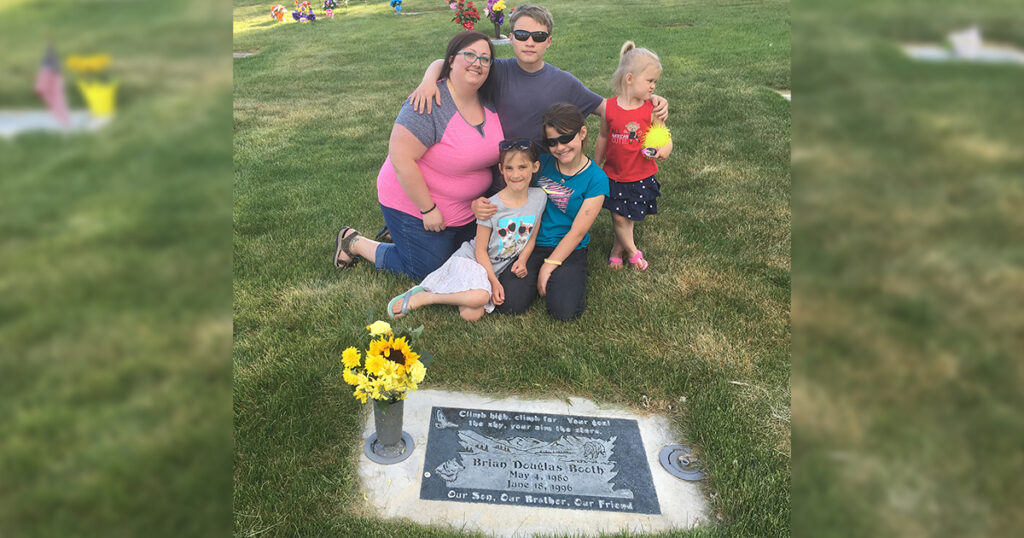
Danelle Burd lives, works and raises her family in Sweetwater County. Her story is one few could imagine living through: her brother died by suicide at 16, and years later, her daughter attempted suicide twice. But rather than allowing those experiences to break her, Burd says they shaped her into the person she is today—and fueled her determination to make suicide a topic people feel comfortable talking about.
Burd remembers her younger brother, Brian, as a quiet child who was bubbly at home and had a great sense of humor. With a smile and a look of remembrance, she recalled him as a “big practical joker.” She fondly remembers him tying her bedroom door handle to the bathroom door handle so she couldn’t get out in the morning, rigging fishing line across a doorway to trip Burd’s mother and hiding behind furniture with Nerf guns to surprise unsuspecting passersby. “He was always joking around,” she said.
Brian’s death had a profound impact on Burd. For years she struggled, particularly because she viewed suicide as a choice, and a selfish one at that. “You know people can always pass away, but when they choose [to die], that’s hard,” she said.
As she grew older, however, Burd’s perspective changed. She began to understand that someone experiencing a suicidal crisis may genuinely believe they are a burden to the people they love and that their death will somehow make things better. She no longer sees suicide as a selfish act.
“His passing has impacted me in a way that no other person’s has, because I’m very, very aware at all times that it was a choice.”
That loss also deeply affected the way Burd parented. Fear of losing her own children made her hypervigilant and, at times, overprotective. She became consumed and obsessive compulsive with the possibility that something terrible could happen to them.
You learn to live with it, but it doesn’t ever get better. You learn to move on, but it’s always there lurking in the background.
Then, during her daughter Charlotte’s eighth-grade year, Burd’s greatest fear became reality.
Charlotte attempted suicide.
Burd and her husband immediately sought counseling and began working as a family toward recovery. Just short of six months later, Charlotte attempted suicide again. Had her older brother not been home at the time, Burd doesn’t believe Charlotte would be here today. This time, Charlotte was hospitalized and received intensive therapy. The entire family participated in counseling.
For Burd, the second experience also brought back memories of losing Brian—and the silence that surrounded suicide decades earlier. “I remembered how it was after Brian passed and how taboo it was to talk about it,” she said. “The only way we could make a difference is if we start talking about it.”
So she did.
Burd and her husband began openly sharing their family’s experience. The response surprised them. People began reaching out, sharing their own stories and admitting they had been too afraid to talk because they worried about how others would perceive their families. For Burd, that confirmed what she already believed: people need to know they are not alone. “These situations are isolating and lonely for the whole family,” she said.
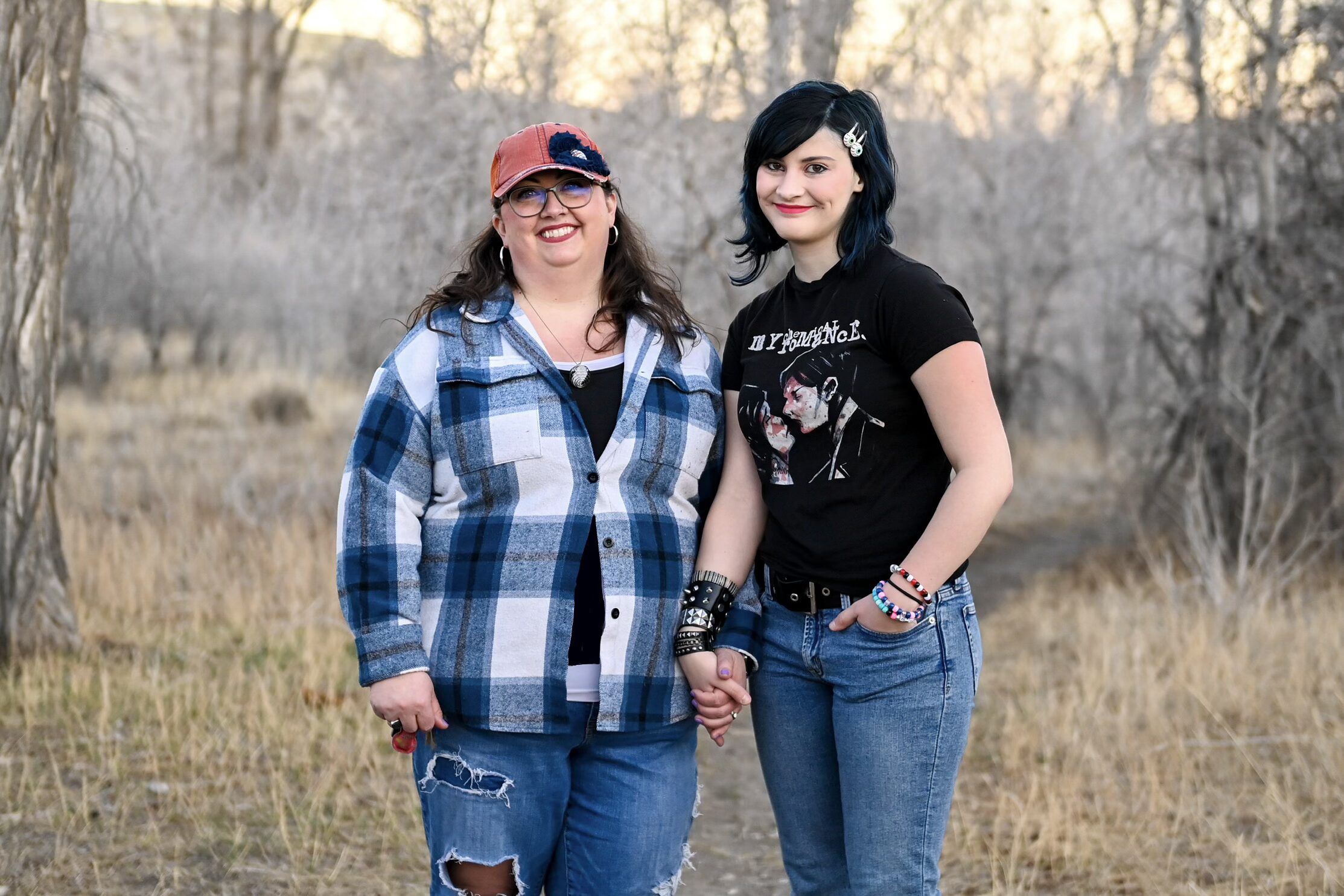
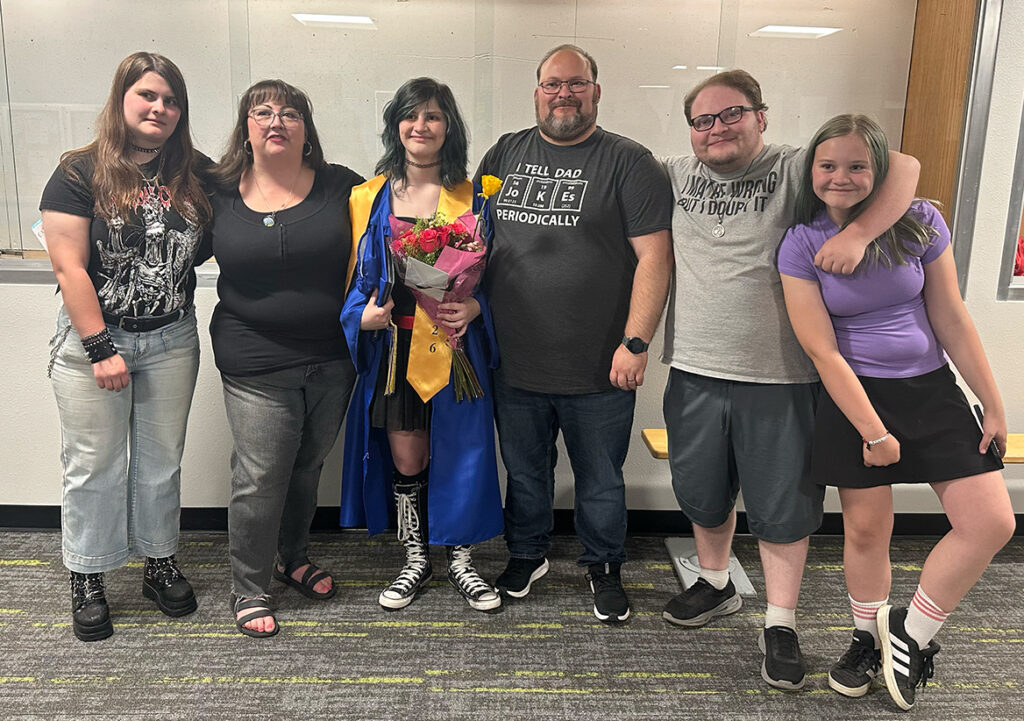
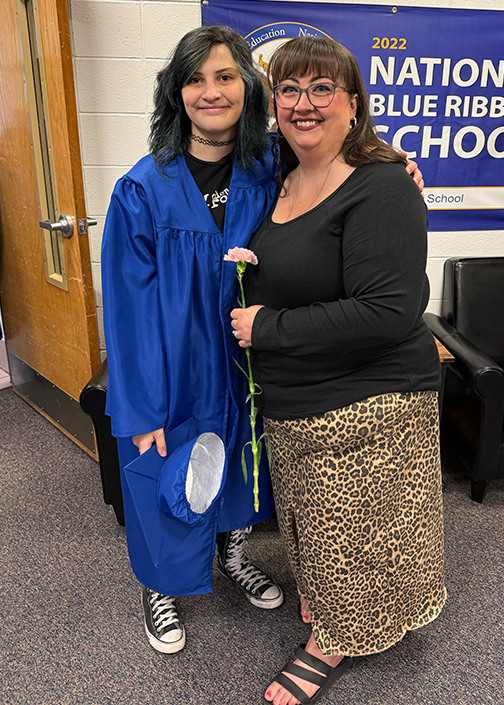
Through Charlotte’s recovery, Burd says she also discovered something about her daughter she hadn’t fully understood before.
‘How freaking strong she is,’ she said, her voice catching before adding with a laugh, ‘She’s a spirited little human.’
Burd watched her daughter work through some incredibly dark moments and continue putting in the work of recovery—even when she didn’t want to. Burd also recognizes how different things are today compared with when Brian died. Thirty years ago, there were fewer resources and far less willingness to talk openly about suicide. After Charlotte’s attempts, the family had counseling, support from friends and family, support from colleagues and greater access to resources.
While Burd admits that she had this mentality at one point, she gets frustrated when she hears suicide or suicide attempts described as “selfish” or simply a cry for attention. “Even if they are doing it for attention, that is a red flag,” she said. “They can take it too far and the worst can happen.”
Today, Burd has turned her experiences into a mission: to make sure no one feels as alone as she once did.
‘People just don’t want to talk about it, so let’s talk about it so people aren’t ashamed to share,’ she said. ‘Knowing that someone is there is life changing.’
Her advice to those supporting someone touched by suicide is simple: offer compassion. Say their loved one’s name. Don’t be afraid to remember them. And if you are the person who has been touched by suicide, Burd wants you to know that your feelings are normal and valid. She is a shoulder to cry on and a sounding board if you need her.
“You have a community of people that you can lean on,” she said. “Don’t ‘what if’ it through life. Take it moment by moment. Live in the moment.”
YOU ARE NOT ALONE. HELP IS AVAILABLE.
If you or someone you know is struggling with thoughts of suicide, experiencing a mental health crisis, or simply needs someone to talk to, please reach out. You do not have to go through it alone.
988 Suicide & Crisis Lifeline
Call or text 988 — available 24 hours a day, 7 days a week.
Free and confidential support is available for people experiencing a mental health or substance-use crisis, as well as those concerned about a loved one.
Southwest Counseling Service — Sweetwater County
Mental Health Services: 307-352-6680
1124 College Drive, Rock Springs
Walk-in Open Access appointments are available Monday through Thursday, 12–4 p.m.
Sweetwater County School District #1 — Rock Springs
Students can reach out to a school counselor, social worker, teacher or principal for help.
District Office: 307-352-3400
The district also maintains mental health and suicide prevention resources for students and families.
Sweetwater County School District #2 — Green River
Students can reach out to their school counselor, social worker, teacher or principal for help.
District Office: 307-872-5500
SWCSD #2 also offers school-based wellness resources and mental health support.
Wyoming Crisis Text Support
Text WYO to 741741 for free, anonymous, 24/7 crisis support in Wyoming.
Remember: You don’t have to be at the point of crisis to ask for help. If something doesn’t feel right, talk to someone. Start the conversation. Reach out.