
| A note from the editor: Death, mental health, addiction, religion and faith, politics, grief, regret, body image—the list of “taboo” topics is a long one. We often avoid these conversations for two simple reasons: they can cause arguments, or they make us uncomfortable. Even if we are uncomfortable, it’s time to start talking about it! Years ago, a coach at a gym I attended repeatedly said, “Get comfortable being uncomfortable.” I’ve carried those words with me ever since. September is Suicide Prevention Month, and here at TRN Media, we’re challenging Sweetwater County to do just that—get comfortable being uncomfortable. We’re bringing awareness to suicide and, more importantly, starting conversations through a series of stories from our friends, neighbors and community members whose lives have been touched by suicide. This is Part Two of our “Let’s Talk About It” series. If you missed the first story, catch up with Danelle Burd’s journey of turning loss into a mission to break the silence surrounding suicide. Read Part One: “Let’s Talk About It: Turning Pain Into Purpose” |
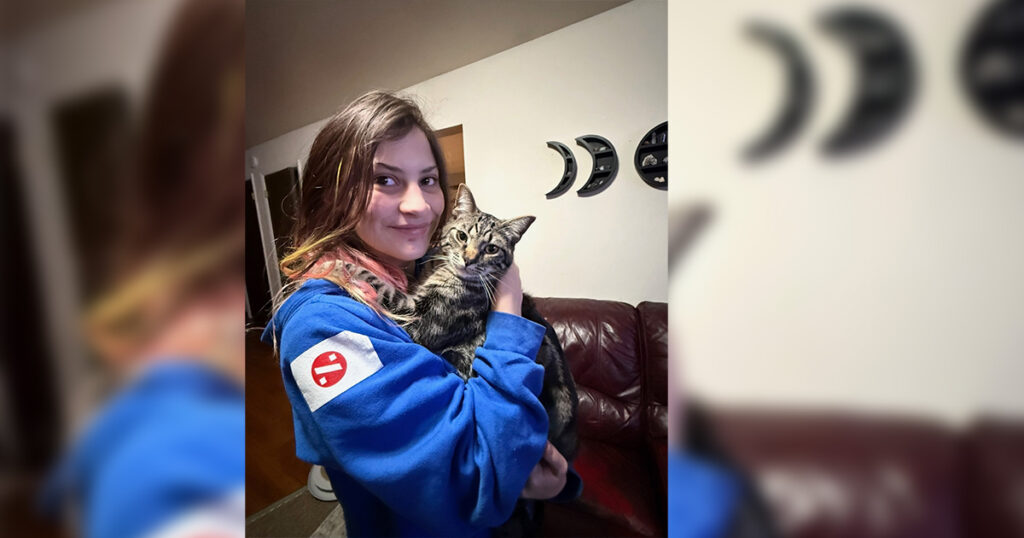
At 17 years old, Charlotte Burd is looking toward the future.
She is a 2026 graduate from Expedition Academy; a place that Charlotte’s mother, Danelle Burd, said helped immensely in her recovery, “They loved her for her, not in spite of her,” Burd said. Charlotte is working toward getting her driver’s license, saving money, spending time with friends and family, and preparing to attend cosmetology school locally. She loves cutting and dying hair and hopes to eventually pursue a career in a mortuary.



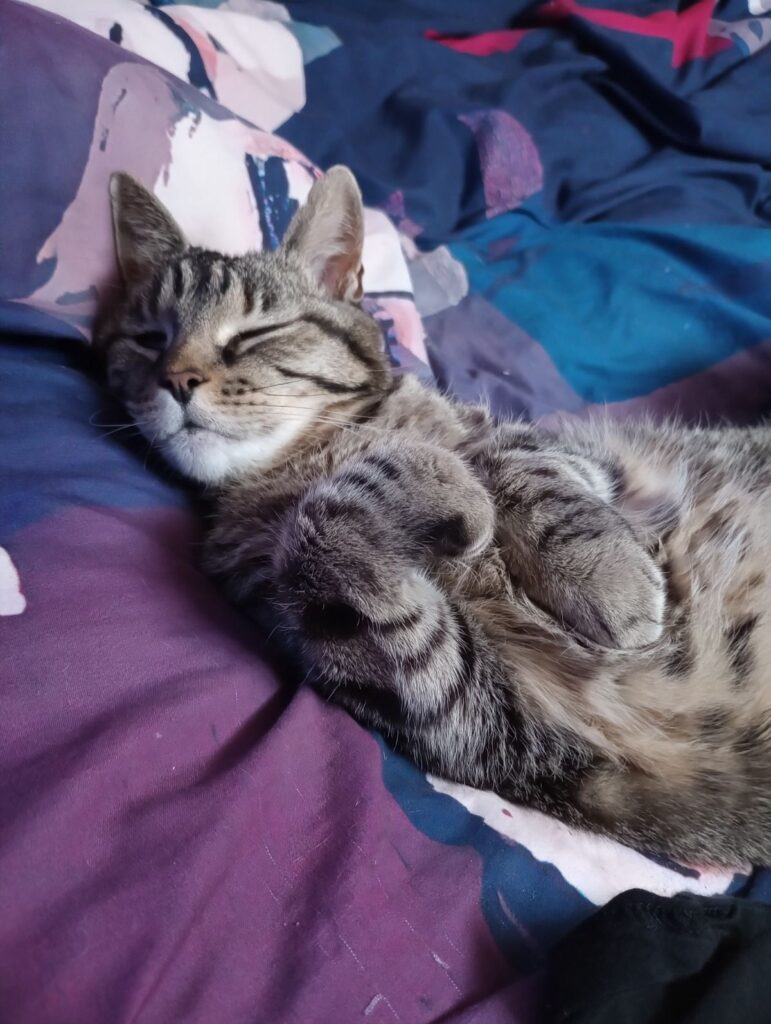
Charlotte loves music, playing guitar and, perhaps most of all, animals. Her cats have been an especially important part of her life. Her current cat is Stinky. Her previous cat, Trouble, helped Charlotte through one of the darkest periods of her life.
Charlotte is a suicide-attempt survivor.
During the fall semester of eighth grade, Charlotte attempted suicide. Six months later, she attempted again. Her older brother, who was unexpectedly home at the time, played a pivotal role in saving her life.
And today, she is willing to talk about what happened—not because she wants to be defined by it, but because she wants other people who may be struggling to understand something she couldn’t see at the time: They are not alone.
Looking back, Charlotte recognizes that much of the fear and sadness she was experiencing didn’t necessarily look like sadness from the outside. It came out as anger. Then, after becoming angry, she would isolate herself because she felt guilty for expressing those emotions. For someone who was social, the isolation was a significant change.
When Charlotte returned to school after her first suicide attempt, some students asked how she had attempted. When she answered, “overdose,” they responded, “Oh, that’s the lame route.”
She was also called “suicide squad” and repeatedly told that no one would care if she died. Charlotte says some students joked about her experience, called her names and told her she deserved what happened to her. Charlotte recognizes that people can change and grow as they get older, but an apology would mean a lot, even if it’s a quick message on social media. The words stayed with her, and they hurt deeply.
Charlotte also struggled with a deep fear of rejection and a sensitivity to how other people responded to her. Something as simple as asking someone for help when they were busy could become overwhelming.
“If I asked a teacher for help and they responded that they were a little busy right now, I felt like they were stabbing me in the chest saying I hate you, I hate you,” she explained. Charlotte says she knows they didn’t hate her, but since they couldn’t help her right that second, she felt like they hated her. She says she has gotten better with it, but she still struggles with even small corrections taking it as criticism instead of constructive feedback.
To the people around her, some of these behaviors may have looked like typical teenage behavior. Charlotte says there was much more happening beneath the surface. She also experienced eating disorder behaviors and other signs that her mother recognized, including picking at her skin and pulling out her hair during times of severe stress and anxiety.
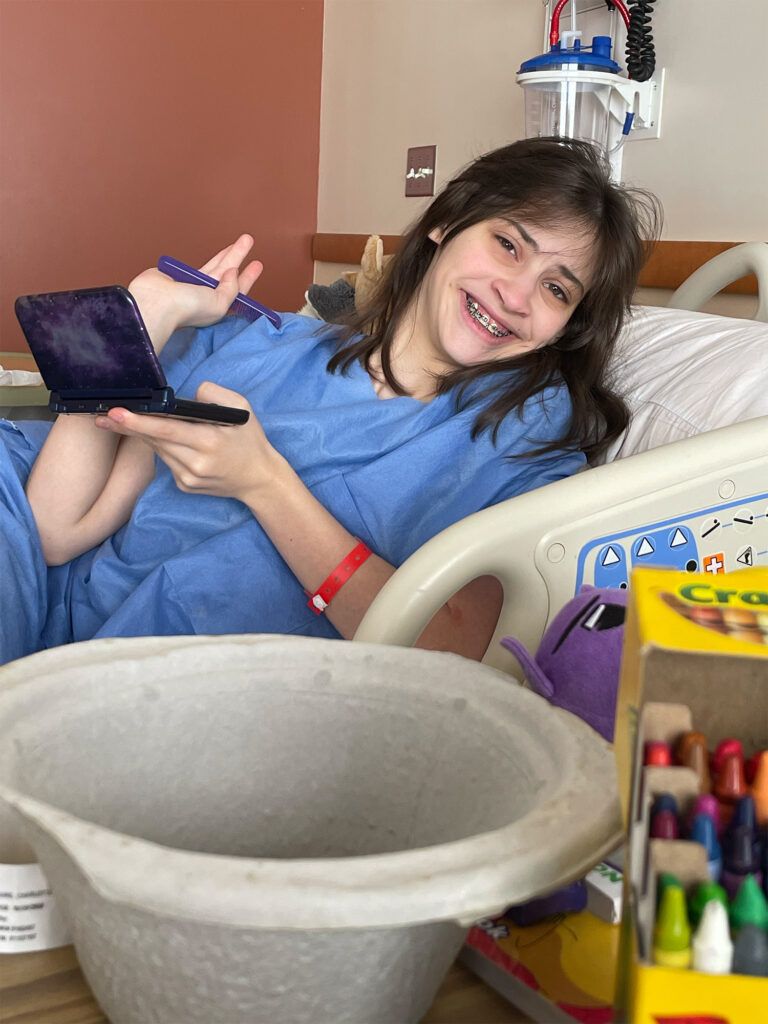
After her second attempt, Charlotte spent time in a hospital receiving intensive treatment. One of the things that helped her most was being around other young people who were going through their own struggles. She was surrounded by people who understood what she was feeling and hearing other people’s experiences helped Charlotte realize she wasn’t alone. “The second you step into therapy, you will see that they genuinely know how you feel,” she said. “They have been through the same things and worse.”
“There were other people there that understood me,” she said. “It felt good to know that someone else understands and can relate to me.”
That realization became an important part of her recovery. Charlotte says she is still recovering. Some things haven’t simply disappeared because she left the hospital or finished intensive treatment. For example, she still struggles to eat around people she isn’t close to because she worries they are watching or judging her.
Charlotte says her biggest motivator during recovery was coming home to Trouble. The thought of coming home to her cat helped her get through the early days of being in the hospital. “She was my everything, “ Charlotte recalls. “My goal was to go home and obviously see my family and my friends, but seeing my cat gave me the courage to come home.”

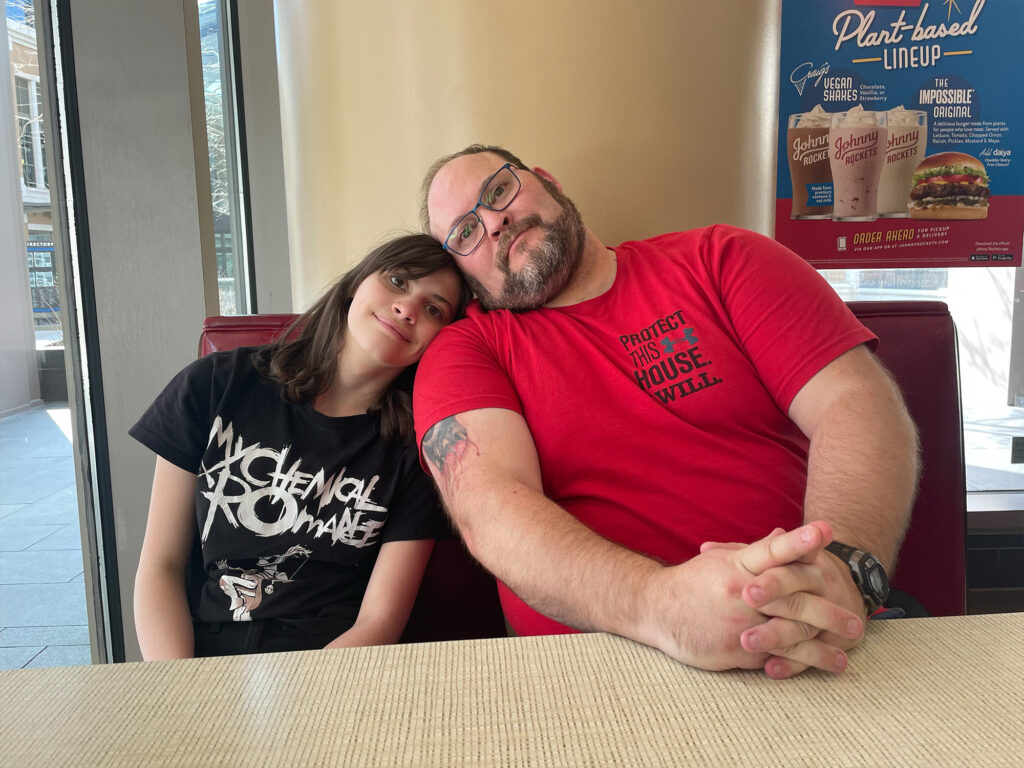
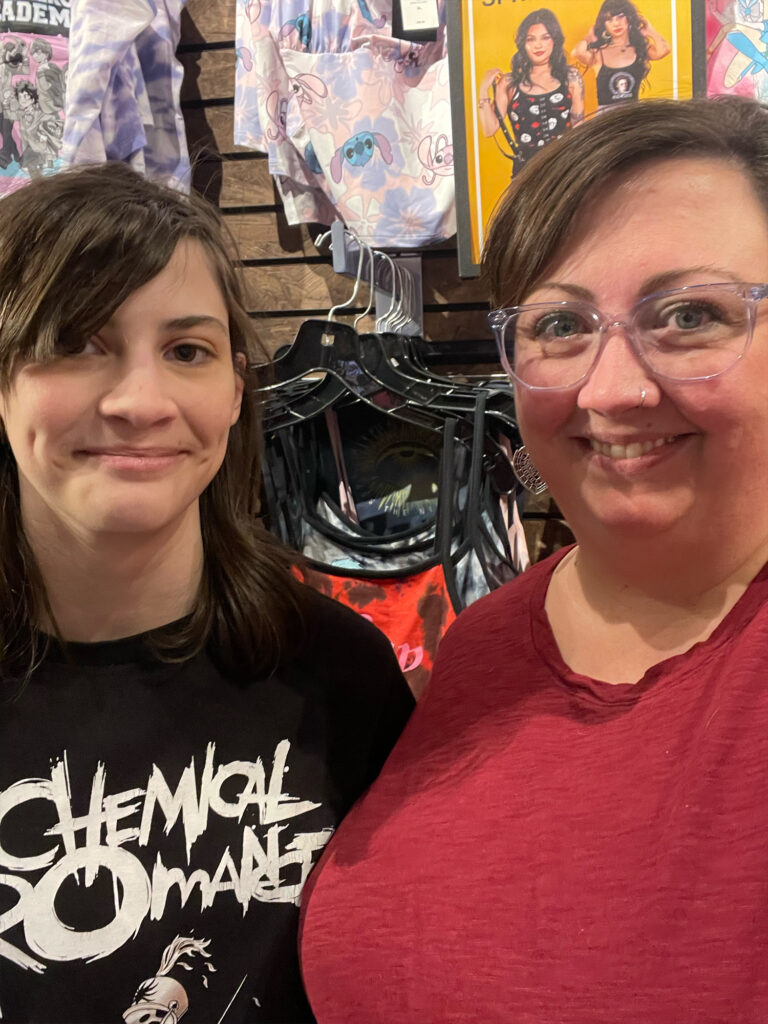
One of the biggest things Charlotte wants people to understand is that there are people out there that care about you. In fact, she wishes she could go back and tell her younger self exactly that. People care about you.
You are genuinely NOT alone
she said.
She also wants people to stop assuming that someone who is struggling will look sad or hide behind a smile. “People think that people hide behind a smile, look depressed or mopey,’” she said. “I didn’t hide behind a smile. I hid behind anger.”
That distinction matters to her because anger can easily be dismissed as someone simply “being a teenager.” Charlotte would like for people to stop saying that suicide attempts are selfish or that someone is doing it simply for attention. During her darkest moments, she genuinely believed that everything and everyone around her would be better off if she was gone because she was a burden. Charlotte went on to say she didn’t feel like she deserved the people around her because she wasn’t good enough. She felt like she was doing her family and friends a favor. She now knows that is not true.
One of the hardest things for Charlotte to understand at the time was that there were people who genuinely loved and cared about her. She couldn’t see it. Now she can. That’s one of the messages she most wants to give someone who is struggling: there are people that care about you, find your safe person. That person might be a parent. A friend. A teacher. A counselor. A family member. It doesn’t necessarily matter who it is— what matters is talking about it.
“If someone is truly your friend or truly cares about you, they shouldn’t judge you or criticize you for hating yourself and everything around you,” she said. “It’s so important to talk to someone.”
Charlotte encourages anyone who has suicidal tendencies to reach out to someone you know will listen without judgement. She went on to say, there are people out there that care. And if you don’t think there is anyone out there that cares about you, Charlotte has a message for you:
Then I will be one of those people that cares about you,
she said without hesitation.
Charlotte wants people to understand that mental health struggles and suicidal thoughts can affect people of all ages and backgrounds. She believes the only way things will change is if we become willing to talk about the subjects that make us uncomfortable.
Charlotte’s story isn’t over. She is looking forward to getting her driver’s license, earning her own money, and spending time with the people she loves. She wants to spend more time at the animal shelter because animals have always been important to her. She wants to try new foods.
She wants to live.
If Charlotte could sit down with the version of herself who was in that dark place, her message would be simple: lock in. Then, with a chuckle, she admits she’s kidding. What she would really want that younger version of herself to know is that there are people who care.

That is what she wants people reading her story to understand. There is someone who cares about you. There are resources and help available. Even if you don’t feel safe telling your family or even your friends, find someone to tell.
And perhaps that’s the most important thing she has learned since those darkest days.
We’re never going to get anywhere if we aren’t willing to talk about uncomfortable things
Charlotte Burd
So Charlotte is talking.
And she’s hoping someone who needs to hear it is listening.
YOU ARE NOT ALONE. HELP IS AVAILABLE.
If you or someone you know is struggling with thoughts of suicide, experiencing a mental health crisis, or simply needs someone to talk to, please reach out. You do not have to go through it alone.
988 Suicide & Crisis Lifeline
Call or text 988 — available 24 hours a day, 7 days a week.
Free and confidential support is available for people experiencing a mental health or substance-use crisis, as well as those concerned about a loved one.
Southwest Counseling Service — Sweetwater County
Mental Health Services: 307-352-6680
1124 College Drive, Rock Springs
Walk-in Open Access appointments are available Monday through Thursday, 12–4 p.m.
Sweetwater County School District #1 — Rock Springs
Students can reach out to a school counselor, social worker, teacher or principal for help.
District Office: 307-352-3400
The district also maintains mental health and suicide prevention resources for students and families.
Sweetwater County School District #2 — Green River
Students can reach out to their school counselor, social worker, teacher or principal for help.
District Office: 307-872-5500
SWCSD #2 also offers school-based wellness resources and mental health support.
Wyoming Crisis Text Support
Text WYO to 741741 for free, anonymous, 24/7 crisis support in Wyoming.
Remember: You don’t have to be at the point of crisis to ask for help. If something doesn’t feel right, talk to someone. Start the conversation. Reach out.