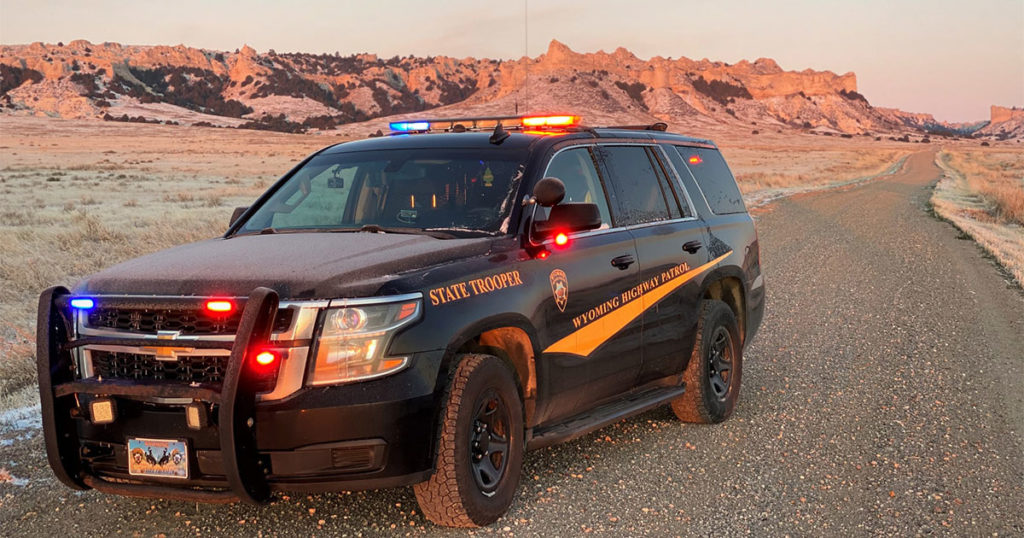

CHEYENNE — The Wyoming Department of Transportation and Wyoming Highway Patrol respond to a major high-wind event Thursday that had massive impacts to highway travel, resulting in at least 32 blow-over crashes across the state.
At least 15 crashes occurred on Interstate 25, and as many as 12 occurred on Interstate 80. Most crashes resulted in minor injuries, and high winds may have been a factor in one deadly crash on State Highway 28. The total number of blow-over crashes is expected to change as WYDOT and WHP continue processing crash reports.
Winds were too strong for crews to safely recover crashed vehicles yesterday.
“Our Wyoming Highway Patrol troopers and dispatchers demonstrated exceptional dedication and professionalism yesterday in the face of extreme wind gusts that reached up to 109 mph,” Lt. Col. Karl German, Wyoming Highway Patrol Operations Commander said. “Troopers worked tirelessly throughout the day responding to incidents, ensuring the safety of stranded drivers, managing hazardous scenes, and coordinating with WYDOT to enforce necessary restrictions and clear debris. Their quick actions helped prevent further injuries and kept our highways as secure as possible under extraordinarily dangerous conditions.”
WYDOT’s salt/sand storage sheds were destroyed by the wind just west of Laramie. Some rest areas also sustained damages. Multiple trees on WYDOT’s Cheyenne campus fell during the wind event, they now plan to plant new trees in the summer.
“It’s incredibly frustrating that drivers see these warnings and decide to take a chance, putting everyone from themselves to other drivers and first responders at serious risk,” Mark Ayen, WYDOT Assistant Chief Engineer said. “High winds are forecasted to continue into the weekend; drivers, please heed all highway signage to ensure you are safe to travel.”
WYDOT reminds drivers to move over and slow down for wrecking crews clearing blown-over vehicles on the side of the highways.