
ROCK SPRINGS — Jazmin Jamali started at Western Wyoming College unsure what she wanted to study. This summer she was in Washington, D.C., presenting research at a national science conference.
Jamali was one of three Western students who attended the National INBRE Conference in June. INBRE, the IDeA Networks of Biomedical Research Excellence, is a National Institutes of Health program that funds biomedical research in 13 states, including Wyoming. The conference brings students and faculty together to share undergraduate research, meet other scientists and learn about careers in the field.
Jamali graduated from Rock Springs High School and earned an associate degree in natural sciences at Western. She is now at the University of Wyoming working on a bachelor’s degree in microbiology. She said Western made sense for her. It was close to home, and she is a first-generation college student. “I’m first generation, so going the cheaper route was kind of my only option,” she said.
She also expected to change her mind about a major, and she did, twice. She started in electrical engineering, switched to computer science and ended up in natural sciences. She said community college gave her room to do that without the cost of doing it at a university.
“I like playing with microscopes,” Jamali said.
Microbiology came out of a biology class. She asked her professor, Joshua Holmes, how hard a microbiology degree would be, and he told her about the INBRE research program at Western. She worked in the program for about a year and a half.
Holmes is an associate professor of microbiology and chair of Western’s Science and Outdoor Recreation Department. He runs the INBRE program at the college, which has been going for 21 years. He said students can start as early as they want, and about four to six take part in a given year. They are paid, and they work anywhere from a couple of hours to 20 hours a week.
Jamali’s lab worked with Dr. Grant Bowman, a University of Wyoming professor, on how proteins interact in Caulobacter crescentus, a type of bacteria. The goal was to find which proteins signal a cell to divide. The team used a library of mutated proteins to see which changes stopped the binding. Before Jamali graduated, they measured how strongly each one was bound. Some bound completely, some not at all and some partway.
Holmes said his own lab studies how bacteria grow, with the hope of finding new ways to stop them. That could eventually help in developing new antibiotics. Two other Western faculty members also do INBRE research, one on how recreation affects bees and the other on microplastics in fish. Holmes said the work is paid for by federal grants the faculty win themselves, not by the college.
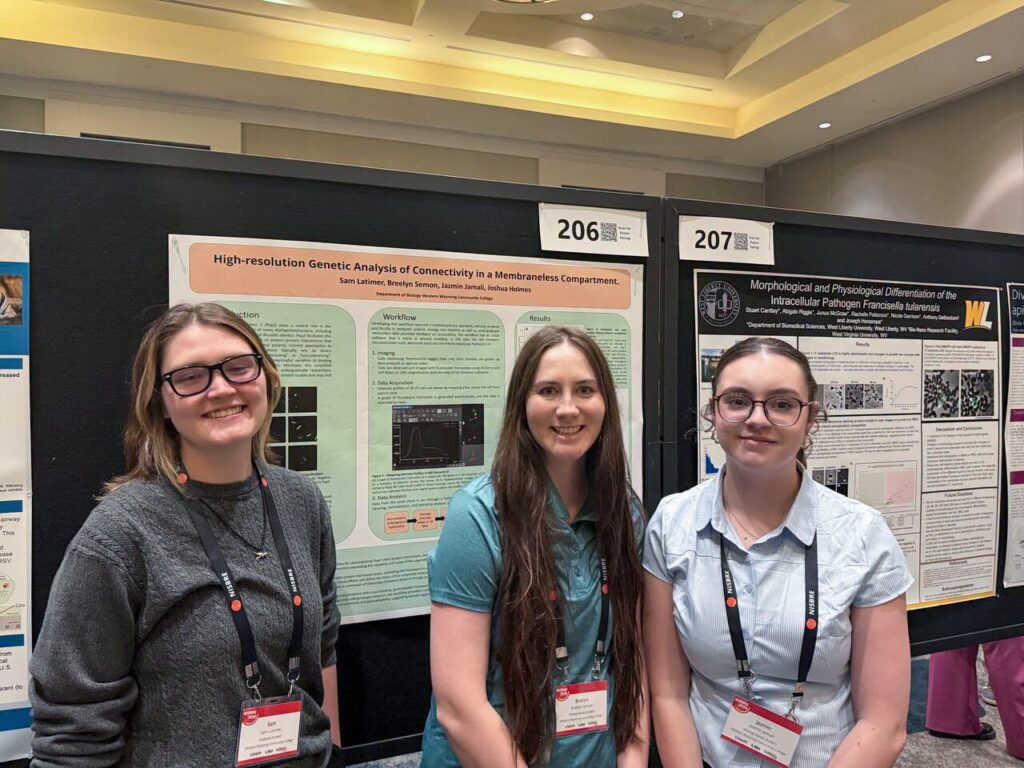
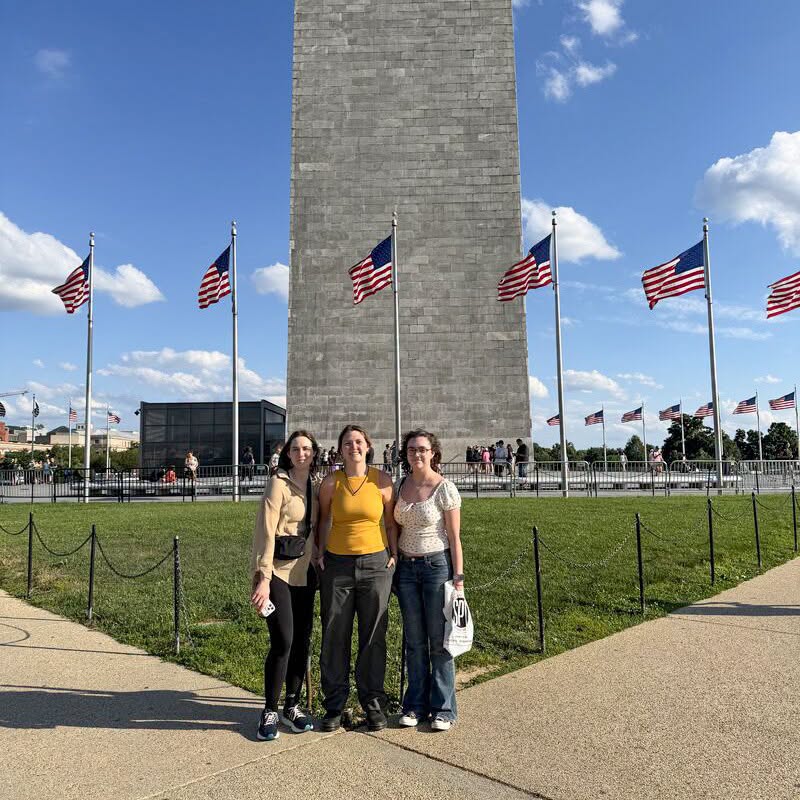
At the conference, Jamali attended sessions with professors, undergraduates and graduate students. Each morning included breakfast and activities meant to help students meet each other. In the last few days, students presented posters, and Jamali spent that time walking around talking with researchers from other states. The group also got a half day to see Washington
Jamali met Bowman and another University of Wyoming researcher who works on computational projects. Holmes also set up conversations with researchers he knows at the university so she could talk about which labs she might rotate through after transferring.
The move to Laramie has not been a big adjustment, she said. As a high school sophomore, she lived on the University of Wyoming campus for a month and took classes, so she already knew the campus and had met people who now go there. She also takes part in INBRE research at the university, on a different project from the one she did at Western.
Holmes said that pipeline is part of the point. Students who move on to the University of Wyoming can receive an INBRE scholarship and keep working in a lab, and many stay for graduate school or medical school. “It keeps a lot of students in the state,” he said.
Jamali was not the only Western student on the trip. Sam Latimer is now a graduate student at the University of Wyoming. Bree Semon earned a registered nursing degree at Western and works at Memorial Hospital of Sweetwater County. Holmes said INBRE is open to students headed in any biomedical direction, including nursing and medical school.
If you are interested in Western’s Health Sciences programs, please visit https://www.westernwyoming.edu/academics/major-programs/health-care/index.php. For all the other programs they offer be sure to check out Westernwyoming.edu/majors. Schedule your appointment with an advisor today!