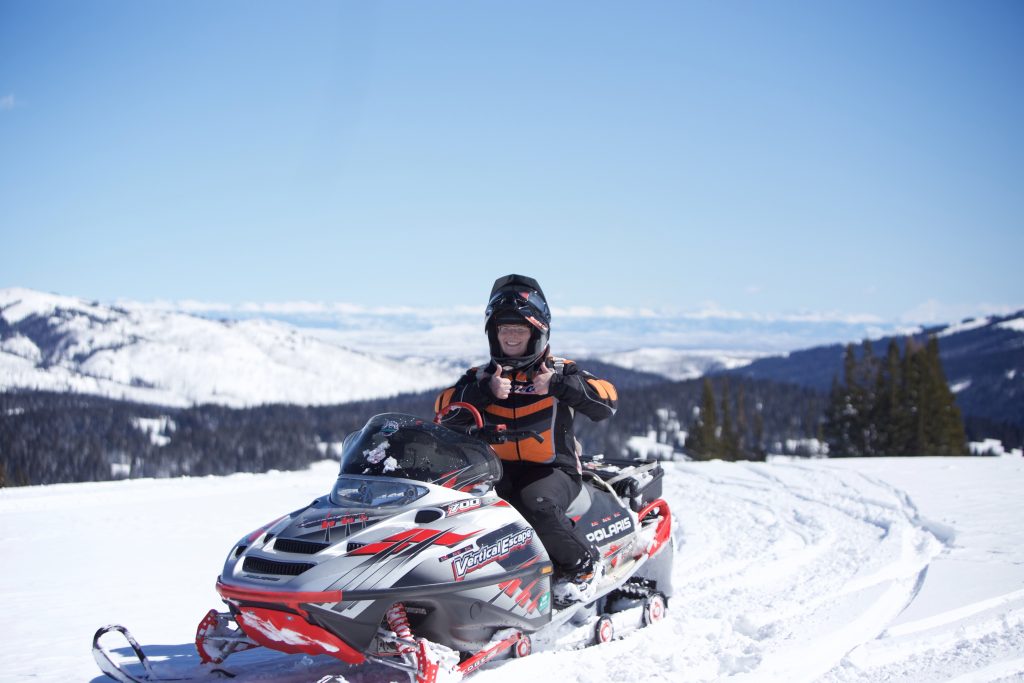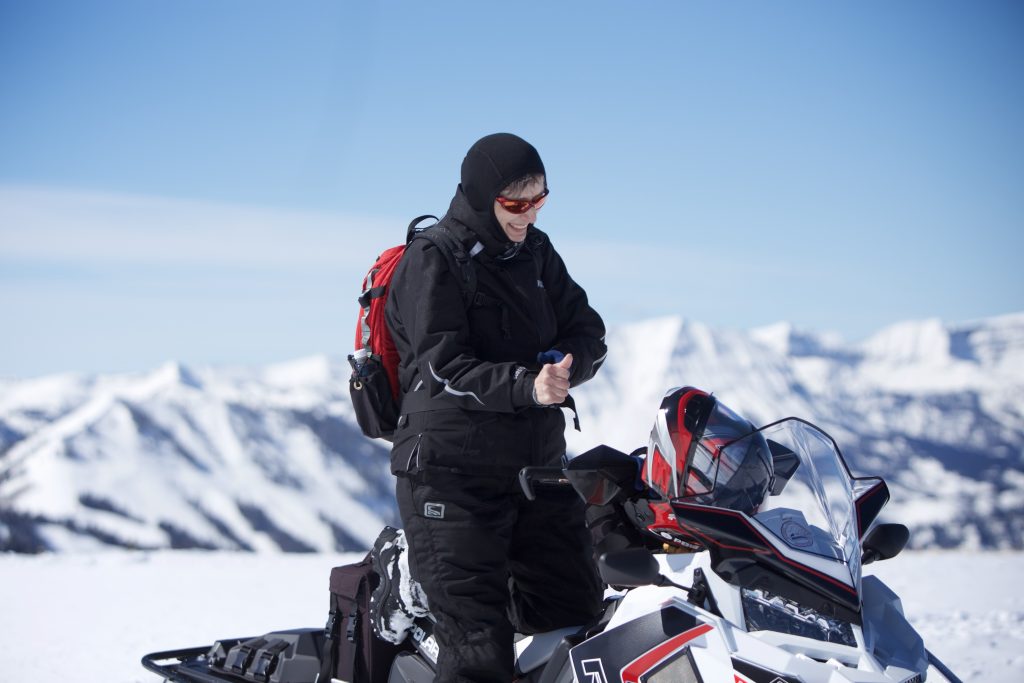

The Bridger-Teton National Forest is known for deep, powdery snow and great snowmobiling. Snowmobile tourism is an economic driver, by some estimates adding $146.8 million annually to the state of Wyoming.
Southwest Wyoming has several prime snowmobiling areas, such as North Horse Creek near Gun Site Pass. Head up to the Sherman parking area on a winter weekend and it will be full of snowmobile trailers and sleds.
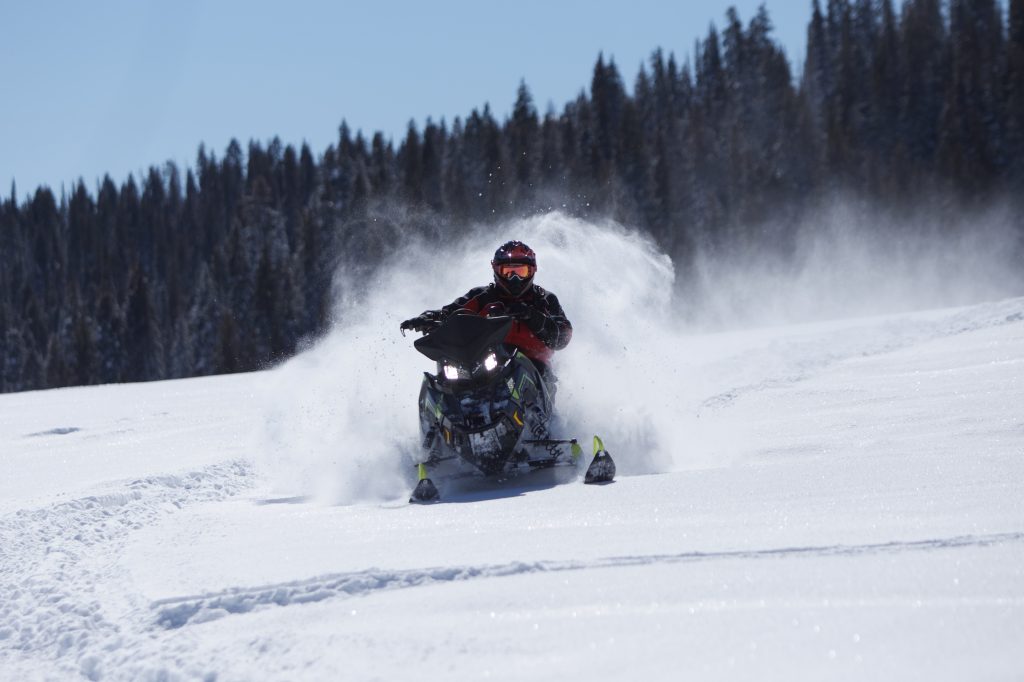
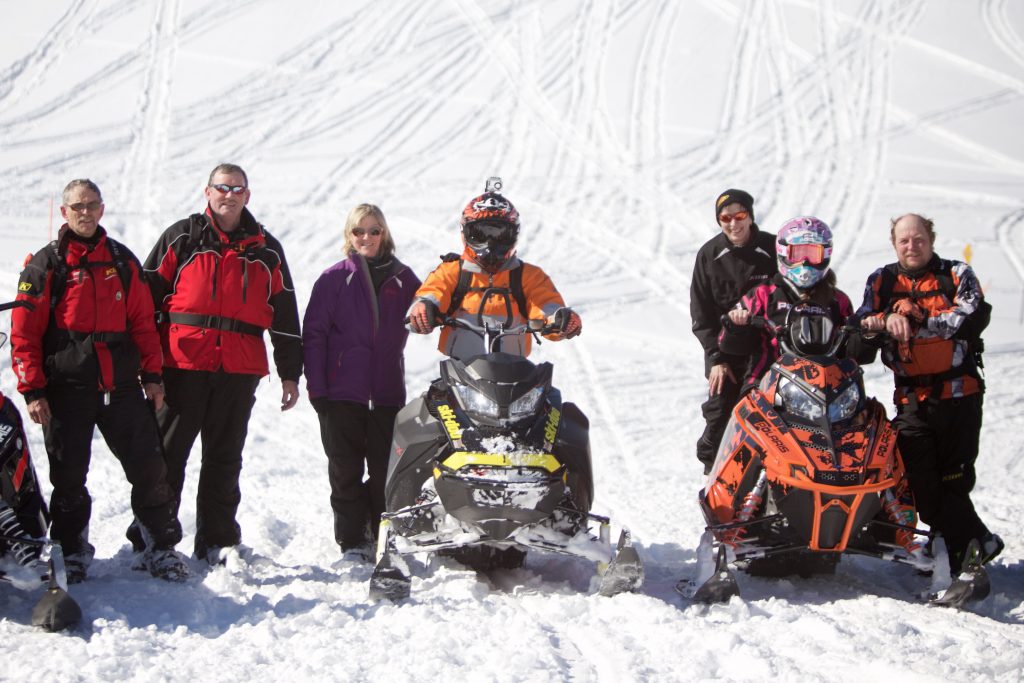
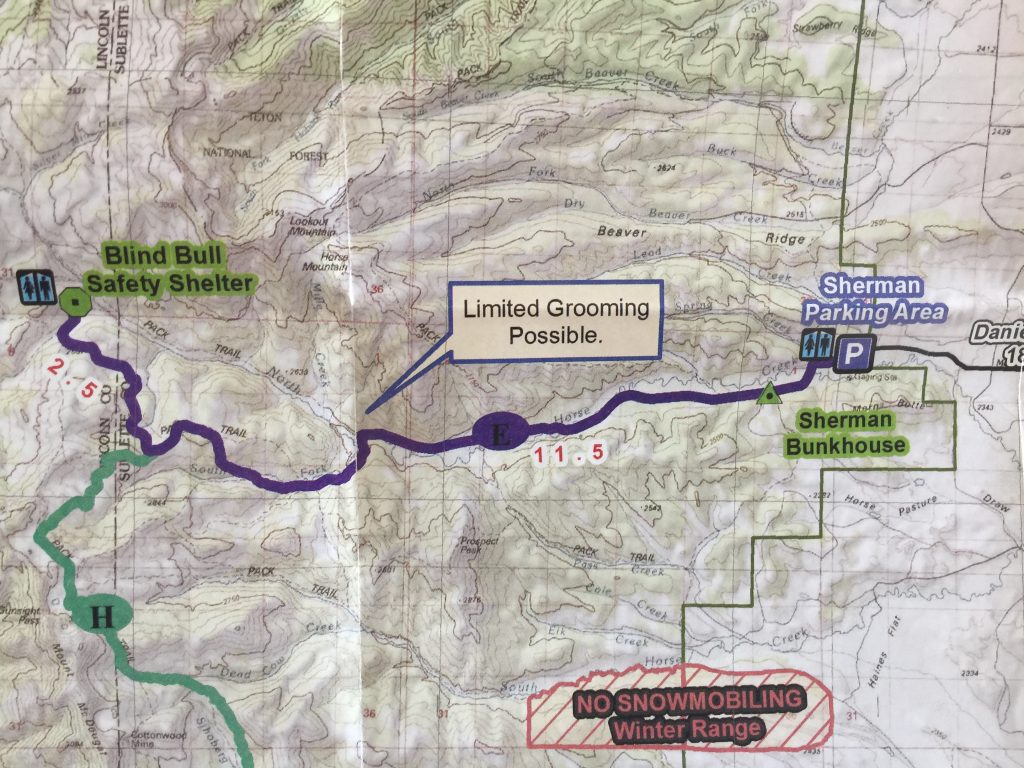
The Sweetwater Snowpokes invited SweetwaterNOW on a group snowmobile ride, a 28-mile introductory crash course to Blind Bull Safety Shelter and back.
The trek in the Grey’s River area, which passes from Sublette County into Lincoln County along the way, had some challenging elements for the uninitiated.
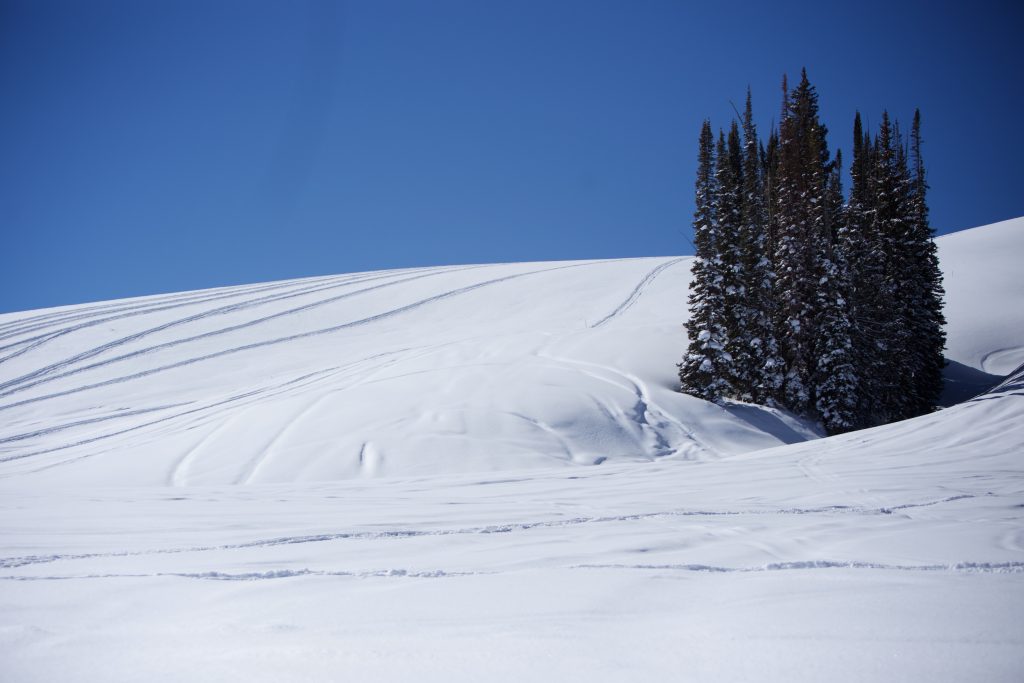
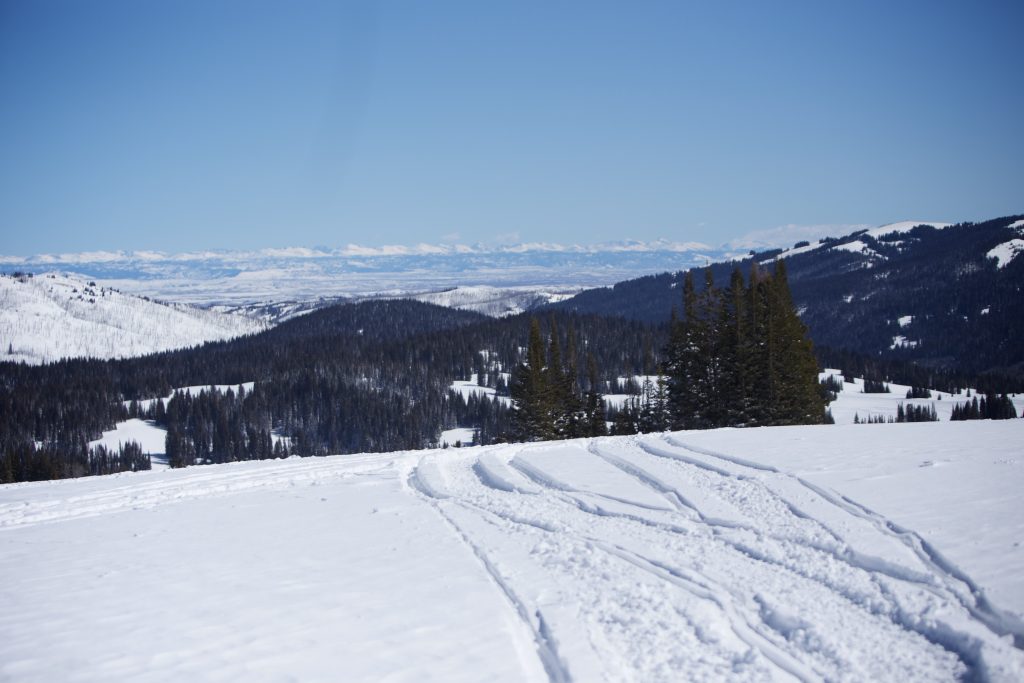
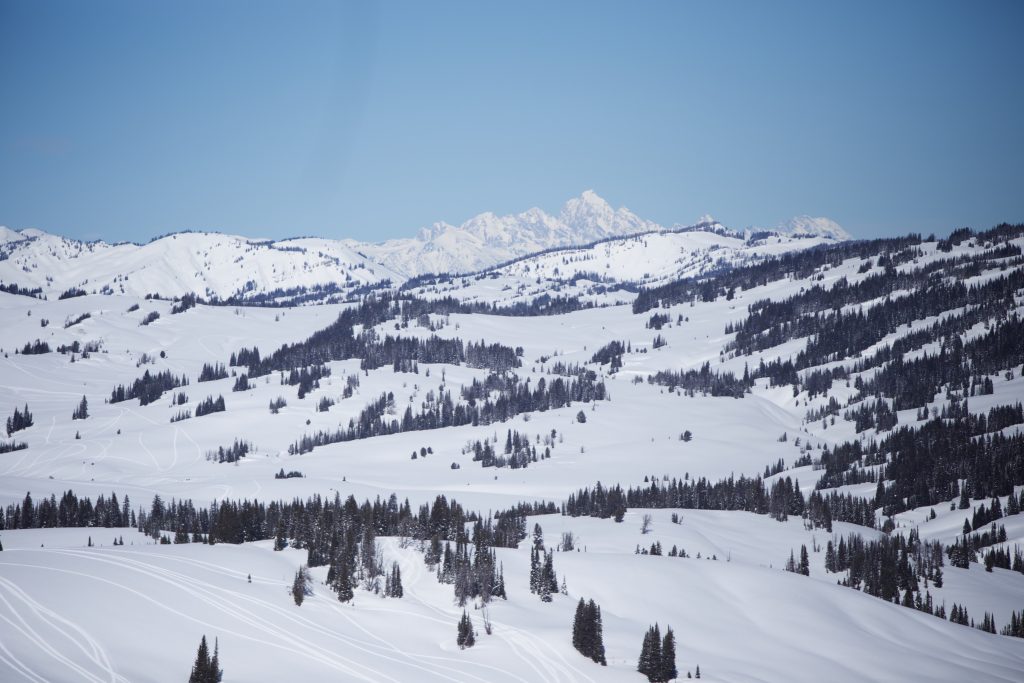
But the rewards included dramatic, sweeping vistas of the neighboring Salt River Range, the Wind River Mountains, and the Tetons.
Things You Learn Snowmobiling for the First Time
1) It’s physical – #notjustsitting
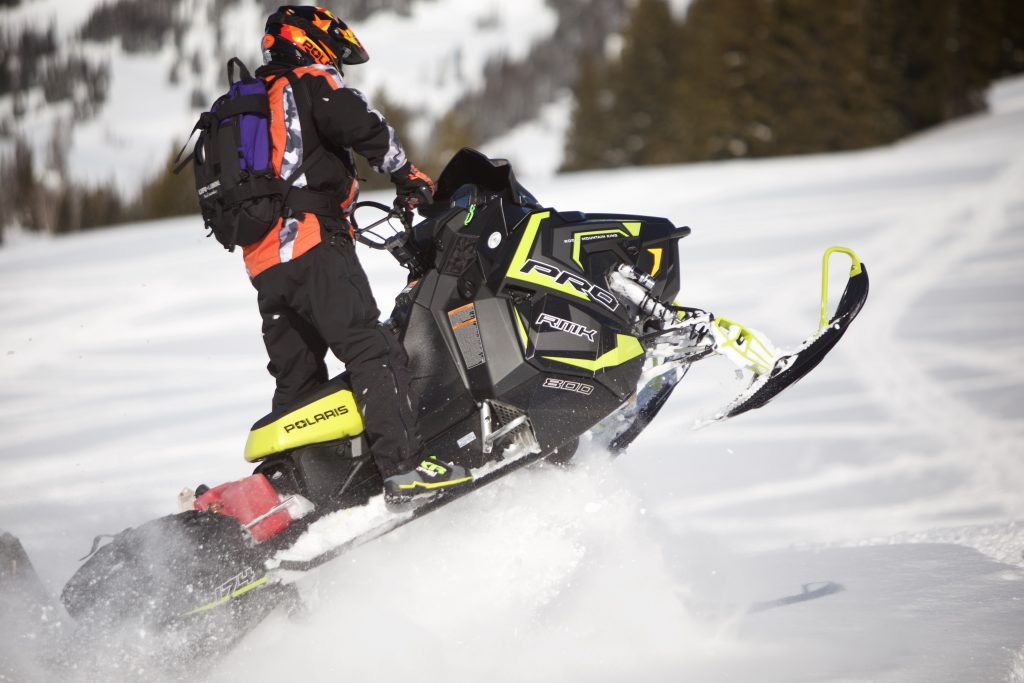
The most surprising detail of learning how to operate a snowmobile was how physical an activity it is. There is quite a lot of standing, kneeling, shifting, shifting more to not fall over, and shifting all the way over with all your might as a last ditch effort to stay on track during a hill climb.
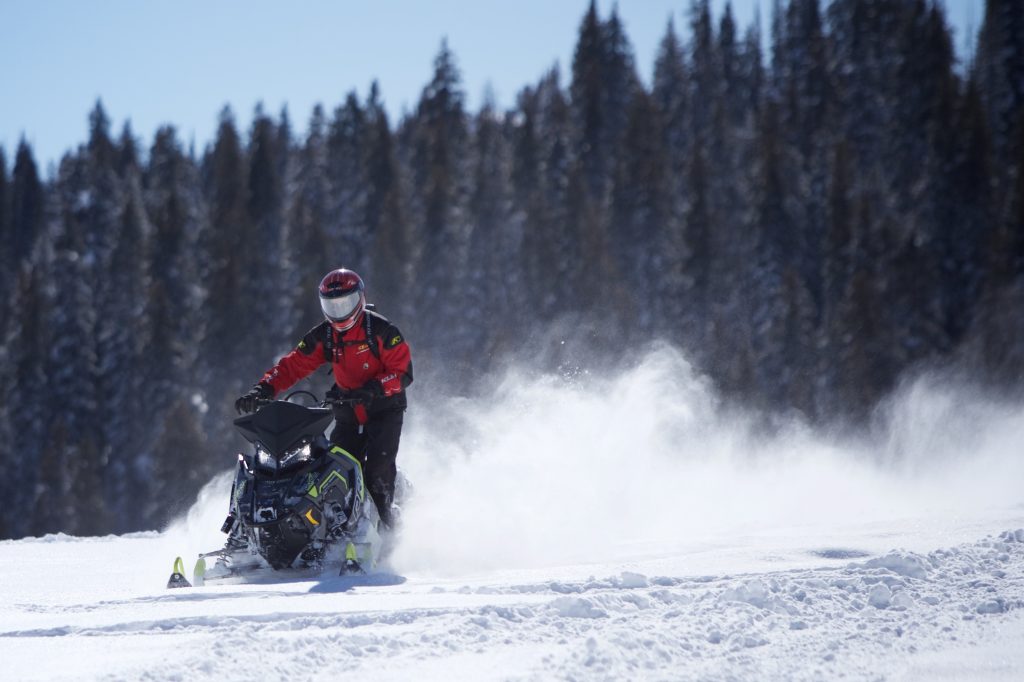
2) It’s possible for a 71-year-old man to be way, way better than you.
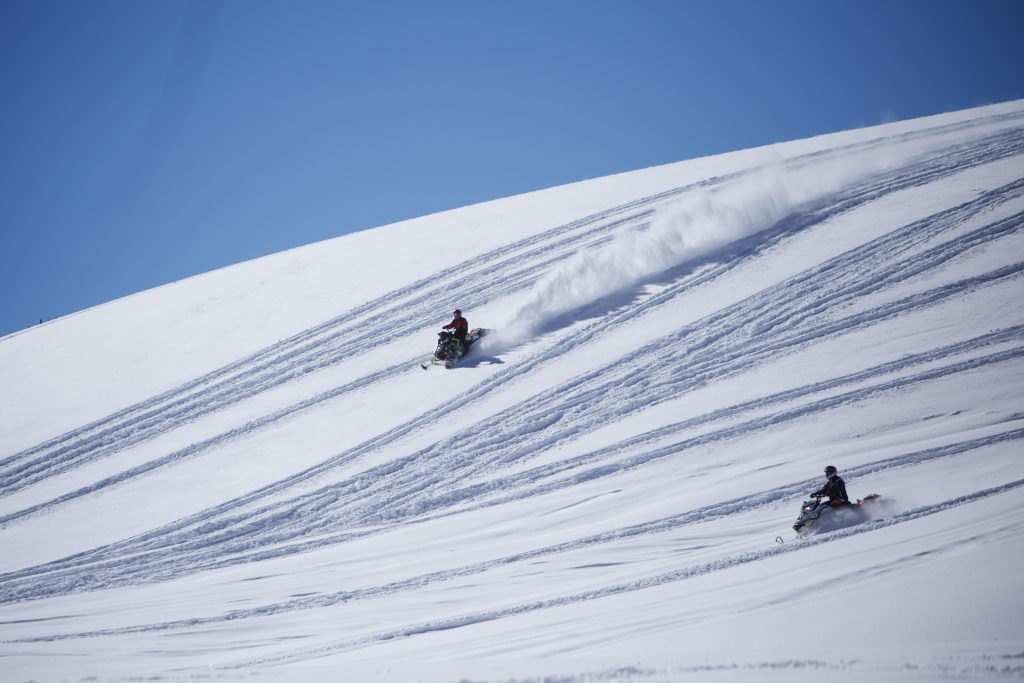
It wouldn’t be quite the sobering experience if a number of older and more experienced individuals did not put a whippersnapper in her place. Hillclimbing veterans like Chuck and Betty Cundy took on some impressive hills. George and Angelina Pryich didn’t bat an eye at hills that took a full-throttle head start to clear.
3) You may come down with a case of carpal thumbal, the medical condition wherein your thumb is sore after snowmobiling.
The long hours of holding the throttle, even with breaks, can lead to a rather sore right thumb. Perhaps seek a thumb-strengthening workout with thumb weights (something like this hamster-sized dumbbell).
4) The path feels like this ~~~~~ when driving it, but looks closer to this ——- on a map.
5) The hills don’t look as big when you’re on them.
Until you turn around. Then they’re big again.
6) When in doubt, throttle out.
The throttle is often the secret to not getting into and not staying too long in sticky situations.
7) Always stop your sled pointed downhill.
Learned this one the hard way.
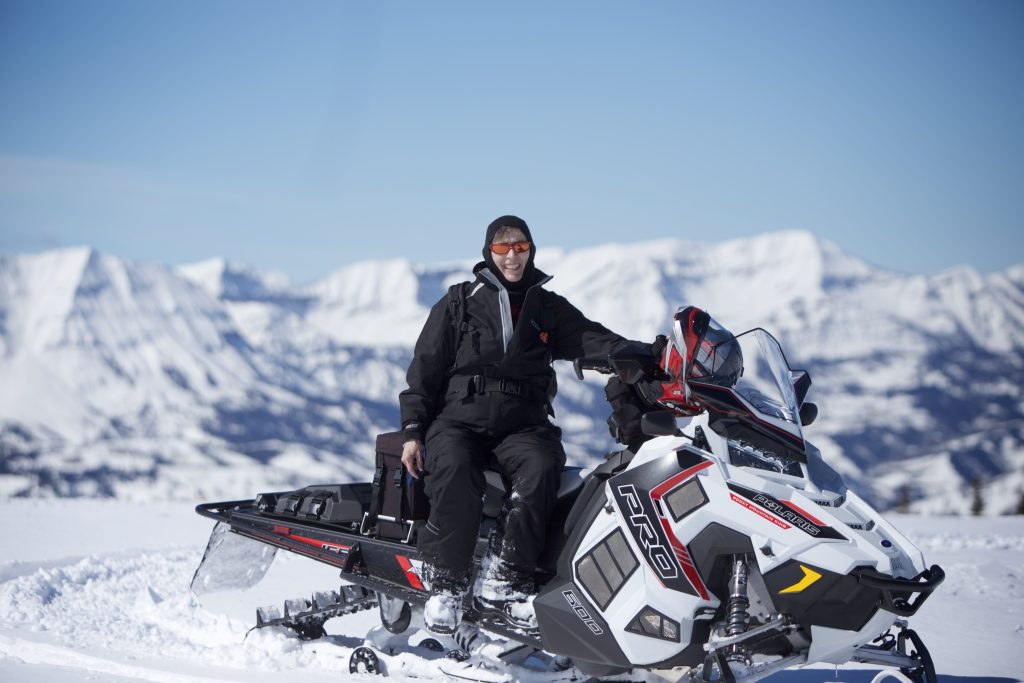
8) A sled sometimes has a mind of its own.
On some hills and routes, the sled seemingly enacts a will of its own upon its rider, taking advantage of a new, complacent rider to venture into less-than-ideal terrain. The only solution is to strong-arm the wily beast back on track.

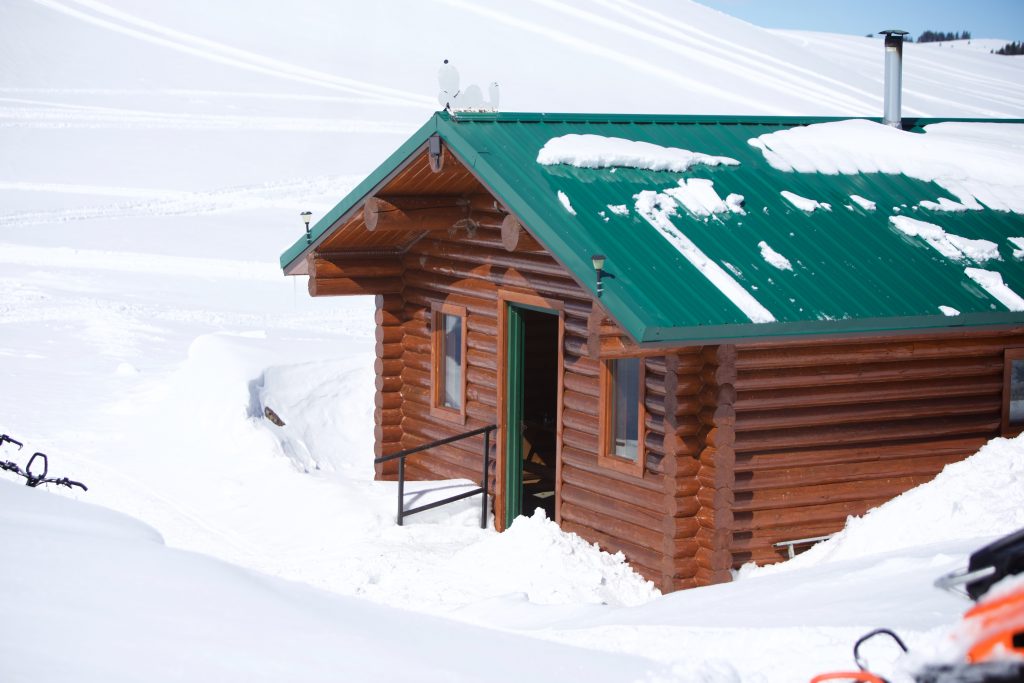
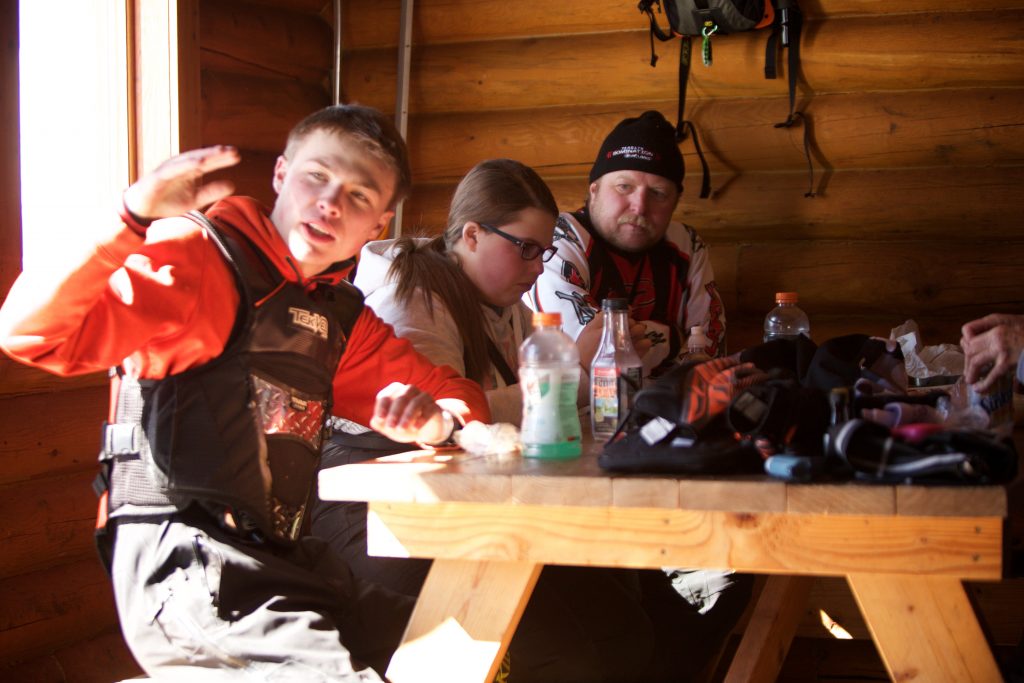
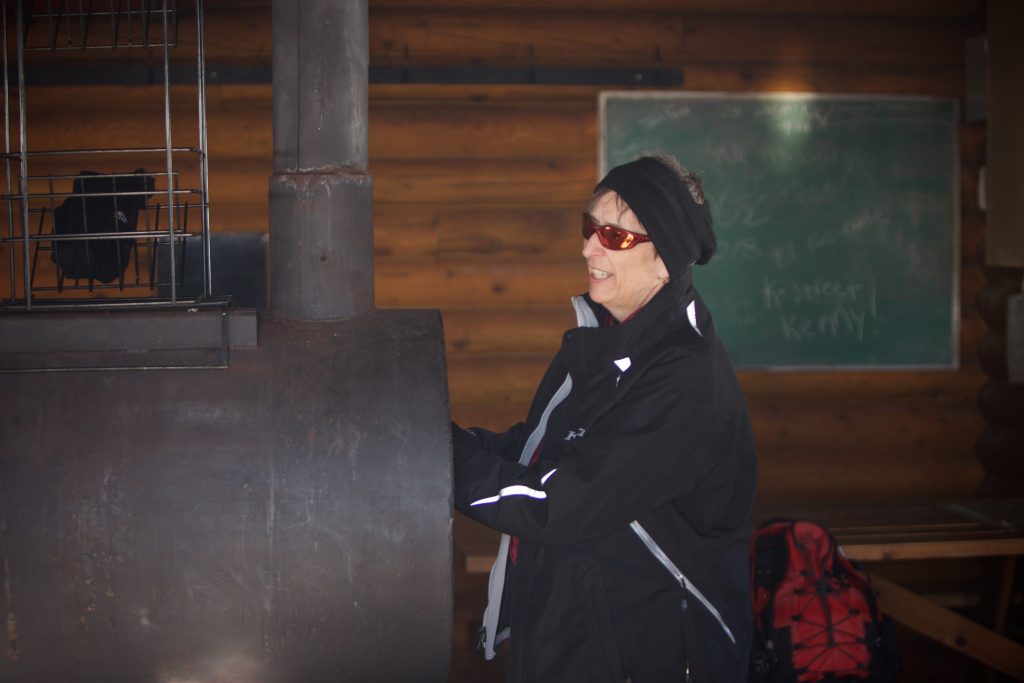
9) The remote Blind Bull Safety Shelter is surprisingly cozy and maintained by the Sweetwater Snowpokes
Blind Bull Safety Shelter is equipped with a wood-burning stove, chopped wood, emergency supplies, and a satellite phone.

10) A great way to break in a new rider is with a group of organized, well-prepared Snowpokes
They’ve got just the right amount of adventurous spirit and patience with a new rider.