
To says the last 14 weeks have been one of the most trying stretches in modern American history is an understatement.
Businesses large and small have experienced and continue to adjust to COVID-19 impacts, and it appears we’re not nearly out of the woods.
Obviously, one of the hardest hit industries since mid-March has been the medical profession. Hospitals across America were taxed like they’ve rarely seen as positive cases spiked with increased testing. Fortunately, Sweetwater County has avoided a major outbreak, and for the time being it appears Wyoming has its health situation under control.
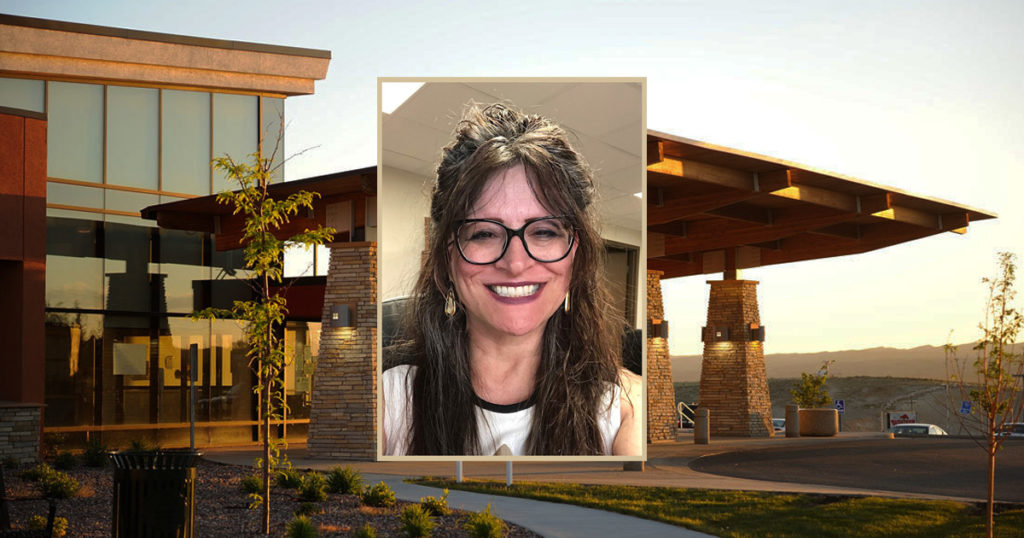
Memorial Hospital Chief Executive Office Irene Richardson knows that could change fast, and she reflected on the last three-and-half-months as the staff adjusted to the “new normal.”
MHSC set up its incident command at the end of February and immediately began putting its emergency preparedness plans together. Around the second week of March, the hospital was told it had to cancel or postpone elective surgeries in order to conserve Personnel Protection Equipment (PPE).
“We also tried to minimize the access points into the hospital so we could minimize traffic, and then we set up our swabbing station first at 3000 College Hill and then later at the hospital,” Richardson said. “But what we saw was a lot of cooperation with the staff and the community to adhere to those things.”
Richardson said her staff is adjusting to the new normal pretty well understanding that proper social distancing techniques will be the key to flattening the curb.
Revenue Impacts
Revenue dipped at the end of March and continued through April and May, Richard said. However, since restrictions are easing, MHSC revenue is starting to rebound.
“A lot of it was the elective surgeries, but a lot of it also had to do with the stay-at-home orders,” Richardson said.
In terms of social distancing among the staff, smaller departments and anyone who could work remotely were allowed to stay at home.
“When you have a healthcare crisis you need healthcare workers. So we wanted to make sure we did everything possible to avoid furloughs or laying people off,” Richardson said.
In order to accomplish this, the hospital used its “low-census policy” where it asked some staff to take time off if it was available to them. This accomplished two things: it reduced the number of people in the hospital; and it reduced expenses because personal time off is considered a liability on the hospital balance sheets.
“The staff was very cooperative, and we all did it,” Richardson said. “The administration, staff, physicians, everybody tried to do that because our volume had dipped a little. Not as much as we’d seen in other hospitals across the nation, but we did see some decline in volume and revenue.
During a late-May budget workshop, Richardson told the Board of Trustees that she and her staff will be budgeting for a 10% decrease in revenue for the 2020-2021 fiscal year because of the last few months. She said the hospital saw about a 20% drop in revenue during the COVID-19 crisis, but she’s not sure if that will continue in the months ahead.
Richardson doesn’t believe this will have a huge effect on operating costs because “if our volume is going to be down 10%, we should see a similar decrease in supplies and all those other variable expenses.”
MHSC has seen a reduction in revenue every year since 2015, and Richardson said that trend is worrisome because of the state of the local economy. A slight shift in payer mix has also contributed to those revenue reductions.
“If we do a rate increase, then some of those fixed payers like Medicare and Medicaid will adjust their payments every year but it just doesn’t keep up,” Richardson said. “So that’s how that number has crept up over the last several years.”
Medicare reimburses the hospital about 50% on in-patient charges and about 24% on out-patient charges, while Medicaid reimburses about 17% of the hospital’s charges. Richardson said the reduction in revenue can also be attributed to the amount of reimbursement declining in both programs. For example, in 2016 the hospital saw about 27% in reimbursements from Medicaid, “then it dropped 10 % and we haven’t seen it come back up,” she said.
Coordinated Efforts
Sweetwater County immediately established the Emergency Operations Center when the pandemic reached Wyoming, and through stakeholder meetings each week, medical care providers were able to discuss and understand each other’s needs.
Richard said MHSC, Castle Rock Hospital District, Aspen Mountain Medical Center, Premier Bone and Joint, the surgeries centers, nursing homes, home healthcare services and Public Health continue to meet each Thursday in a collaborative effort to meet the needs of the community.
“It was really helpful. Sweetwater County is in good hands with healthcare,” she said.
Richardson also commended the community for its patience in understanding that healthcare facilities did what they had to do to minimize the spread of the virus.
“We truly appreciate the community’s support and generosity toward the hospital through all of this,” Richardson said. “We had businesses close, and school was out of session, and we missed graduation. So we can’t let that go to waste. We have to be diligent and smart in preventing the spread of the disease.”
And should another surge in COVID-19 cases occur throughout Sweetwater County, “the hospital will be ready,” Richardson concluded.