
COKEVILLE, WYO — Cokeville Meadows National Wildlife Refuge (NWR), a 6,455 acre refuge located south of the town of Cokeville, is open for the first time to hunting this fall. Big game, small game and waterfowl hunting in accordance with refuge special regulations and Wyoming Game and Fish Department Regulations is now permitted on certain areas of the refuge.
Two small areas are closed to all hunting for safety reasons near the headquarters and around the public walking trail. Most of the southern portions of the refuge are closed to migratory bird hunting, to provide resting and feeding areas for migrating birds. However, those portions are open to big and small game hunting.
The northern and western tracts are open to waterfowl as well as big and small game hunting. Access is limited to walk-in from seven designated parking areas across the refuge. Please familiarize yourself with the refuge hunting regulations before going afield. Visit www.fws.gov/refuge/cokeville_meadows for more information and a copy of the Cokeville Meadows NWR hunting areas map and refuge regulations.
We ask that hunters respect our neighbor’s private property rights and abide by Federal and State regulations. Please remember that additional special Refuge regulations are necessary to protect wildlife and habitat as well as provide a safe experience for hunters and Refuge staff. Please familiarize yourself with the following information to help ensure a safe and enjoyable visit.
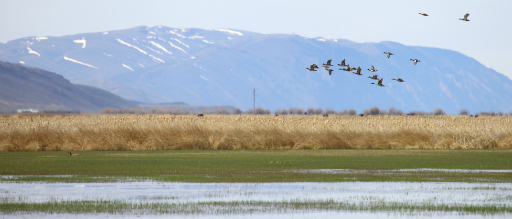
Cokeville Meadows NWR lies in Lincoln County, along Wyoming’s southwestern border with Idaho and Utah. The refuge is bisected longitudinally throughout its length by the Bear River and contains a mosaic of wet meadows, seasonal wetlands, and riparian corridors. The shrub-steppe uplands are dominated by sagebrush and a combination of grasses typical of the arid West. This refuge was established in 1993 for the conservation of the wetlands of the nation and provides nesting habitat for at least 32 water bird species. Wet meadows and wetlands attract thousands of migratory waterfowl and other waterbirds. Greater sage grouse use upland sagebrush areas for nesting, while wet meadow and riparian areas provide important feeding sites for their broods and a variety of neotropical migratory birds. Big game, including antelope, mule deer, and elk, also utilize refuge habitats.