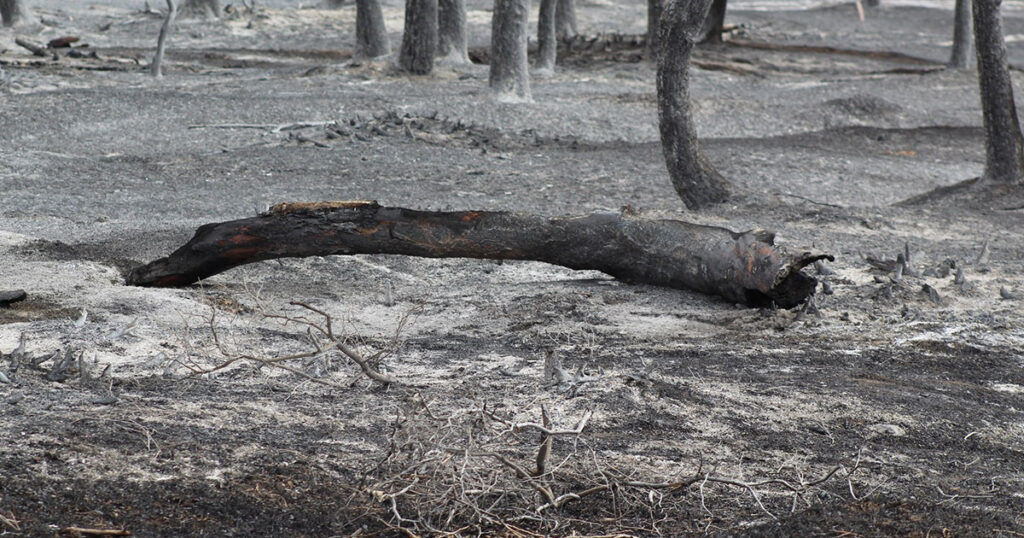

GREEN RIVER — A large-scale tree die-off three years ago in the Scott’s Bottom Nature Area was a concern for the Greenbelt Task Force’s chairman prior to Saturday’s fire.
The fire burned nearly 40 acres of land, along with12 structures and lead to the euthanization of a horse that was injured during evacuation efforts. The city has closed access to the area. A meeting involving the city, task force members and habitat experts is expected to take place Thursday.
“We’ve been worrying about the trees dying off for a few years,” John Freeman, one of the task force’s original founders and its current chairman, said. “Last Saturday’s fire, you can see why.”
Freeman said the the die-off necessitated a management plan that was developed between the task force and the Green River municipal government. That plan aimed to improve and protect the habitat in the Scott’s Bottom area.
2025 Management Plan
The Scotts Bottom Nature Park is an area that isn’t managed like any other park in Green River.
A habitat management plan for the Scott’s Bottom area was signed by Freeman and Green River Mayor Pete Rust last year and outlines several unique considerations for the area. While the city’s parks are generally built and maintained to provide recreation for residents while looking aesthetically pleasing, Scott’s Bottom is managed as a nature area, providing some recreational opportunities while creating a natural habitat for several animal species.
Freeman said a driving aspect of the plan was to bring more water to Scott’s Bottom to promote development of cottonwood and willow trees. Both species require periodic flooding to thrive. A major issue for those plants is the Fontenelle Dam limiting river flows unless significant runoff from snowpack flows into the river. Without heightened water flows, irrigation is needed to supplement soil moisture during most years. The plan states lack of flooding causes new cottonwoods to sprout from existing root systems as opposed to developing from seeds. Freeman said the task force hoped to flood older channels to raise the waterline and simulate flooding.
According to the plan, dead trees and other vegetation are allowed to remain in the area as they provide habitat for wildlife. Freeman said the task force didn’t want to remove the dead standing trees as they would provide shelter for a number of bird species.
“We didn’t want to tear down all those dead trees,” Freeman said.
The dead trees also support insects, creating food for birds, while serving as perches for owls, ospreys and red-tailed hawks. Fallen logs and woody debris serve as habitat as well, housing burrows for several small mammal species.
The plan also recommends limited development of the nature area, aiming to balance recreational use while avoiding negative impacts to wildlife living in the area. Overnight camping is already prohibited aside from occasional outings by local Boy Scouts. Further development of picnic areas and additional trail systems is also discouraged, especially widened trails that may introduce motorized vehicle usage. However, tree removal to maintain the powerline corridor and removal of brush and trees to create fire breaks near adjacent properties are allowed through the plan.
The plan calls for chemical or mechanical control of weeds and invasive plants. Some of those nonnative species are Russian olive, tamarisk, cheatgrass, and perennial pepperweed. Russian olive and tamarisk control has been a particular focus of mitigation efforts along the river, having been targeted during three separate control efforts between 2012 and 2021. The plan also encourages the city to budget money for further invasive species control at least every three to five years.
Recovering a Source of Local Pride
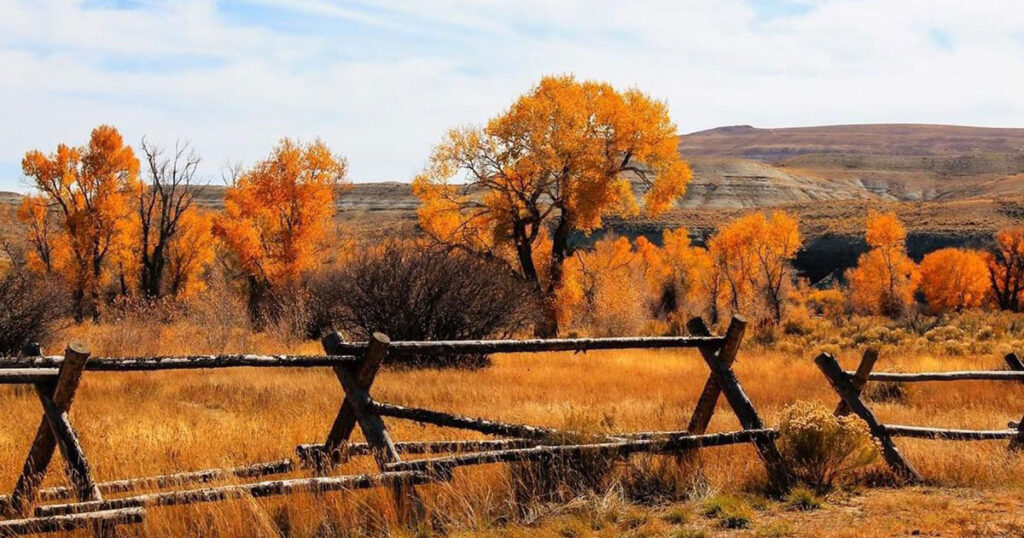
Freeman said Scott’s Bottom was a source of pride for Green River residents after more than a decade of work and major cleanup efforts.
“The sad thing about it is when the task force started 36 years ago, that area was a dumping ground,” Freeman said.
He said city residents would drive vehicles to the area and change their oil, also using it as a place to dump garbage. The task force had two major cleanups in the area during the organization’s early years, with teachers and students from nearby Jackson Elementary School also hosting yearly cleanup events.
Freeman said Saturday’s fire is the third major fire occurring in the area since the 1990s and expects the area to recover, though it won’t happen anytime soon.
“It won’t be as good as it was in my lifetime, but maybe in my grandchildren’s lifetimes,” Freeman said.