
SWEETWATER COUNTY — The Sweetwater County Historical Museum recently focused its attention on the last coal camp shut down in the county.
The completion of the Union Pacific’s transcontinental railroad in 1869 created a voracious demand for coal, and the immense Rock Springs Coal Field, which passed beneath and encircled the little town, would address that demand.
A sting of coal camps was established along the coal field’s arc running north from Rock Springs, beginning with Reliance in 1911, followed over the years by Winton (Megeath), Dines, East Plane, and Lionkol. The coal camps were compact little communities, largely self-sufficient and populated by miners and their families.
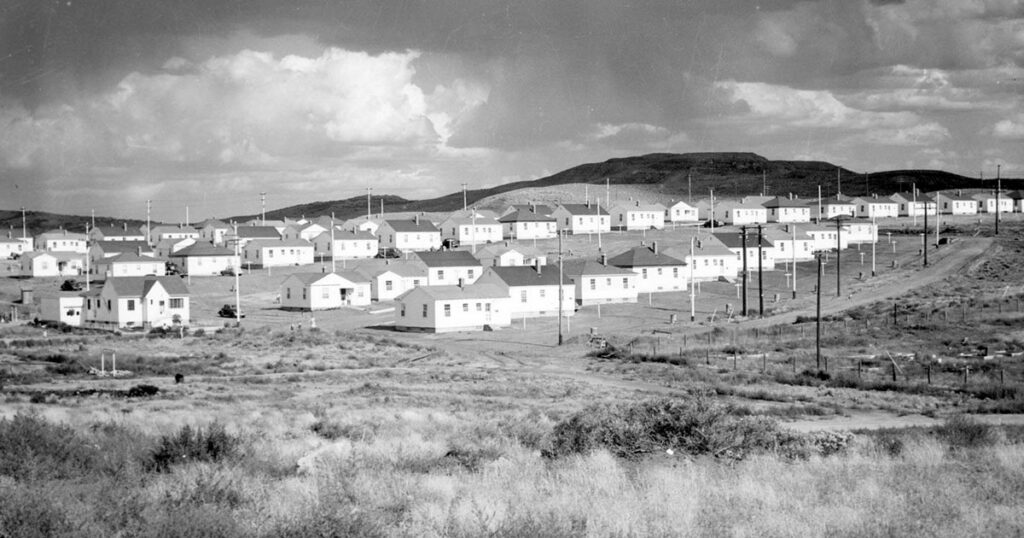
The last of the coal camps was Stansbury, named for Major Howard Stansbury of the Army Corps of Topographical Engineers who, during his 1848-1850 survey along the route of the Overland Trail, reported substantial outcrops of coal near Bitter Creek. His discovery and official report triggered the surge of coal mining activity in the region decades later.
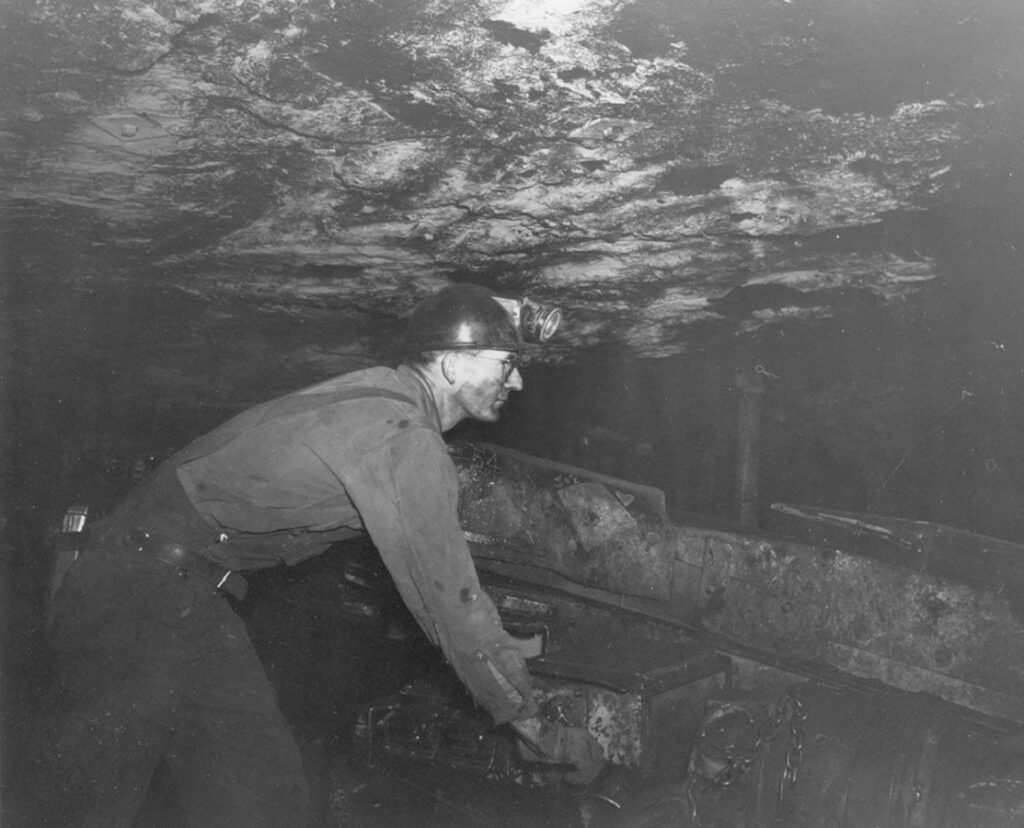
Located about nine miles north of Rock Springs between Winton and Reliance, Stansbury was created during World War II as a result of the urgent wartime call for expanded coal production. The houses that sprang up became home to some 1,000 miners and their families. Each featured indoor plumbing, a basement, and coal-fueled heat. Rent was $40 per month. Streetlights were installed in 1945.
Stansbury featured a K-6 grade school, a post office, a store, a boardinghouse, a post office, a store, a bath house that could accommodate 500 miners at a time, mine offices, and a community building. The community building featured a bowling alley, a barber shop, pool tables, and a dance hall.
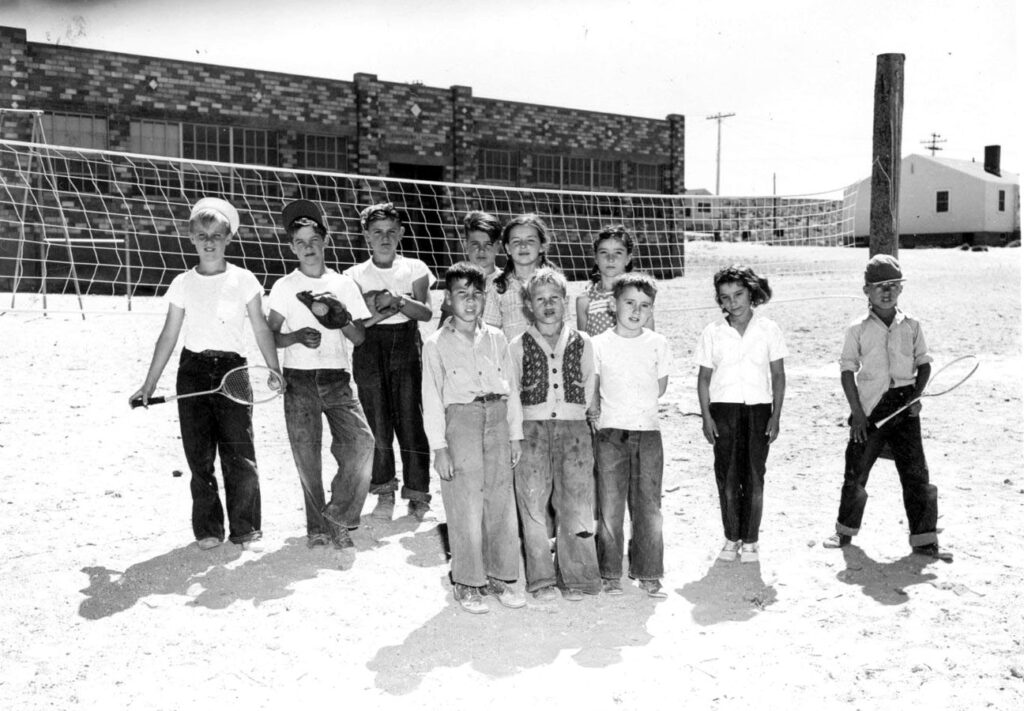
Beginning in the 1920s and 1930s, diesel-powered locomotives began replacing steam engines, and by the mid-1950s, American railroads had retired approximately 90% of their steam locomotives. Demand for coal plummeted, leading to the shutdown of all the coal camps but Reliance, which still exists today. Stansbury was closed in 1957, and its homes and other buildings were transported to Rock Springs and other towns.