
ROCK SPRINGS — It’s easy to see an arrest on SweetwaterNOW’s daily arrest report or the jail roster maintained by the Sweetwater Combined Communications Joint Powers Board and assume the initial charges are what someone will ultimately face.
That isn’t always the case.
The recent cases involving Steven Ray O’Brien show various issues can result in charges being amended or even being dismissed, leading to a different outcome than the initial charges would have indicated.
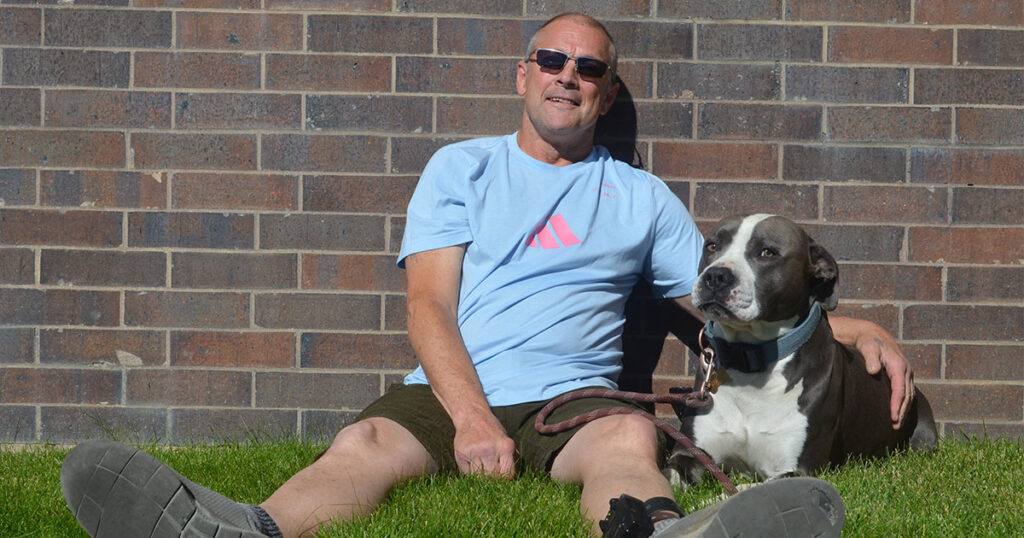
O’Brien was initially arrested for alleged possession of fentanyl and methamphetamine Feb. 11, both of which being felony charges due to two previous convictions for unlawful possession. Further charges for allegedly being under the influence of a narcotic while driving and possession of methamphetamine came March 11. The cases made their way through circuit court and were bound over to district court, but O’Brien said the cases were ultimately remanded back to circuit court due to a lack of evidence against him. O’Brien entered guilty pleas in a plea agreement to amended misdemeanor charges of possession of methamphetamine and fentanyl, while the driving while under the influence charge was dismissed due to prosecutors not having evidence to prove he was incapable of safely driving.
A Picture Worth a Thousand Words
The changes from how he was charged initially to what he eventually pleaded guilty to highlights an issue O’Brien says exists with publicly posting the Sweetwater County Detention Center’s jail roster as people assume the initial charges a person is booked for are what they will ultimately face or be convicted of. The photo aspect of the arrest records have already been an issue the Sweetwater County Sheriff’s Office has attempted to address.
After being appointed by the Sweetwater County Board of County Commissioners, Interim Sheriff Rich Fischer announced the detention center would no longer post booking photos with the jail roster updates. A press release issued by the sheriff’s office cited privacy concerns as part of the reasoning behind the change, as well as a concern that the photo can follow someone long after a case has been adjudicated.
“A person may be arrested once on suspicion of a misdemeanor drug offense, have the case dismissed, and never have another encounter with law enforcement,” Fischer said in the press release. “Ten years later, that booking photo may still be one of the first things a prospective employer sees in an internet search. The case may be gone, but the stigma created by the photo remains.”
Rich Kaumo defeated Fischer in the Republican Primary Aug. 18, which may result in a change to the policy once Kaumo is sworn in next year. Kaumo said he hasn’t decided if the photos will be posted or not, saying he will do further research into the issue in January. Kaumo said he typically receives calls from former inmates asking to have their arrest photos taken off of the jail roster website. He told TRN Media those requests often come from people attempting to find work and having concerns about prospective employers finding their arrest photos on the jail roster website and considers the request if the case was adjudicated.
For O’Brien, challenges came after his initial charges were made public through the arrest reports published by the detention center and on SweetwaterNOW.
“I’ve gotten some pretty rough comments on Facebook,” he said.
He said the situation embarrassed his children and some family members changed how they treated him once his charges were made public, saying relationships became strained immediately after. However, O’Brien says those relationships have improved in the following months.
The Public Nature of the Judicial Process
O’Brien believes publicly releasing the inmate roster and charges goes too far.
“It’s just that simple to me,” he said. “I don’t know why people make such a big deal about it.”
He thinks charges and arrest photos should only be released once a person is convicted of a crime as there would be no doubt about the innocence or guilt a person has with their charges. However, this stance conflicts with the public nature of the judicial process.
With some exceptions, each step of the judicial process is public. Anyone can witness the arraignments and initial appearances before a circuit court judge at the Sweetwater County Justice Center outside Rock Springs, as well as district court hearings in Green River.
According to the American Bar Association, the First Amendment protects access to court hearings for both the press and the general public, while the Sixth Amendment provides a person the right to have a public trial. Specifically, the Sixth Amendment provides the right to a speedy and public trial with an impartial jury within the state or county alleged crime was committed in. It was added to the Bill of Rights to protect from potential abuses of governmental power through the courts by ensuring people had fair and transparent judicial hearings.
The amendment also provides for a defendant to be informed of the accusations made against them, why those accusations were made, and to be confronted with witnesses making those accusations, while also giving the defendant the ability to bring any witnesses forward to speak for them and to have the right to have an attorney assist them in their legal proceedings.
Limitations exist though – judicial proceedings involving juveniles are not part of the public record and judges can opt to seal records and close hearings for reasons such as protecting the identity of an alleged victim or witness or protect sensitive information such as trade secrets.
Many court documents are public record through the First Amendment, including documents listing the charges against a person, known as the Information, and a summary of circumstances and preliminary evidence used to file charges, known as the Facts in Support of Verified Information. TRN Media employs those documents and others in its reporting of criminal charges and court proceedings.
On the Road to Recovery
O’Brien said he is back on the recovery road. He was placed on 12 months supervised probation and is undergoing court-mandated treatment. It’s a situation he’s familiar with, admitting he’s had struggles with drug addiction over the years. This time, he understands one of the major triggers he has following a Post Traumatic Stress Disorder diagnosis.
He spent much of the 1990s in federal prison after being involved with a ring that moved drugs through airports in Denver and Salt Lake City. Upon release, he returned to work in the oil and gas industry and started helping people with their addiction struggles while being involved in public service through membership on volunteer boards such as Southwest Counseling Services’ Board of Directors.
However, as circumstances changed and the work in the oil and gas industry began to dry up, O’Brien said he stopped doing a lot of the activities that helped him maintain his sobriety. His relapse occurred after taking a job as a bouncer for a local strip club, with convictions for possession of a controlled substance following his relapse. He admits to needing some help after his arrests and thinks addiction treatment mandated in his sentence is something he needed.