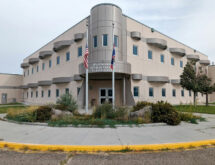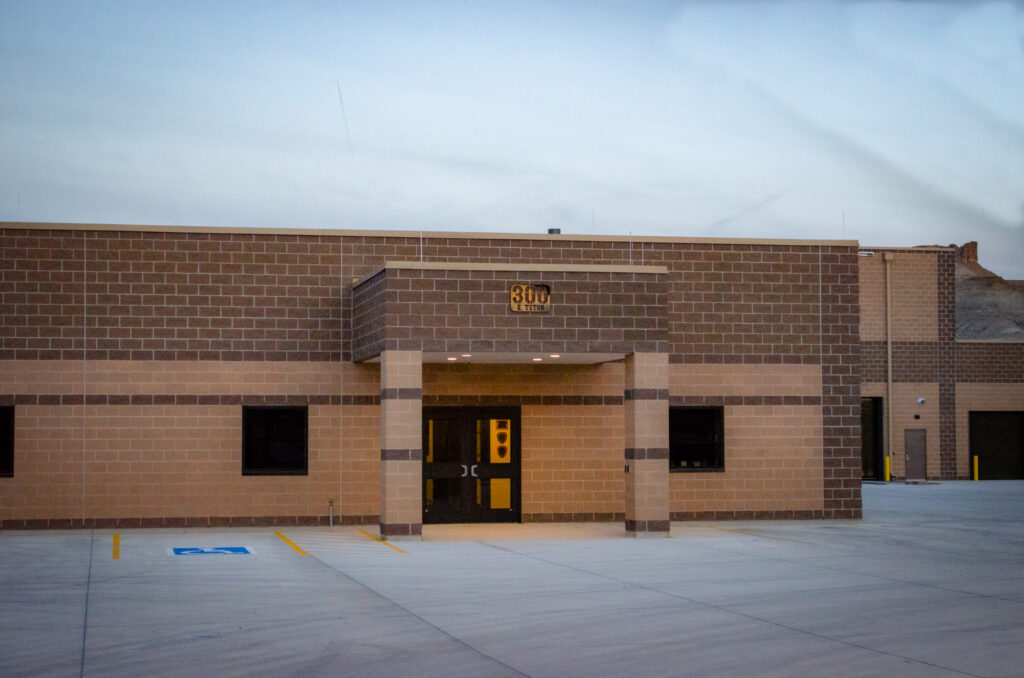

GREEN RIVER — Green River’s new wastewater treatment plant is now online, marking a major upgrade from the city’s decades-old lagoon system and giving operators more control over water quality before it returns to the river.
The $56 million facility, which has been in development since 2015, gives the city tighter control over how wastewater is treated before it is discharged back into the river.
“This is a tried and true process,” said Mark Westenskow, Green River’s director of public works. “It’s not flashy or experimental, but it’s reliable, and that’s exactly what we wanted.”
The treatment process relies primarily on biological systems rather than chemical additives.
The treatment process begins as wastewater enters the plant and passes through screening equipment that removes rags, wipes and other debris that should not be in the sewer system. Organic material is washed off the screenings and returned to the flow, providing food for the microorganisms that drive the biological treatment process.
From there, the water drops into a wet well and is pumped to a grit removal system, where heavier, non-biodegradable materials such as sand, eggshells and small rocks are separated out before they can damage downstream equipment.
Anthony Hodges, a wastewater operator at the plant, said the facility was designed to reuse treated water within its own operations, reducing the need for city drinking water.
“We’re using non-potable water that’s already been treated on-site to clean equipment and run parts of the process,” Hodges said. “That helps eliminate cross-contamination and saves on water, which is especially important out here.”
After grit removal, wastewater flows into a series of biological treatment zones known as selectors, where operators create different environments to encourage specific microbes to remove nutrients. Anaerobic zones target phosphorus, while aerated oxidation ditches promote the conversion of ammonia into nitrate. Other zones allow microbes to convert nitrate into nitrogen gas, which is safely released into the atmosphere.
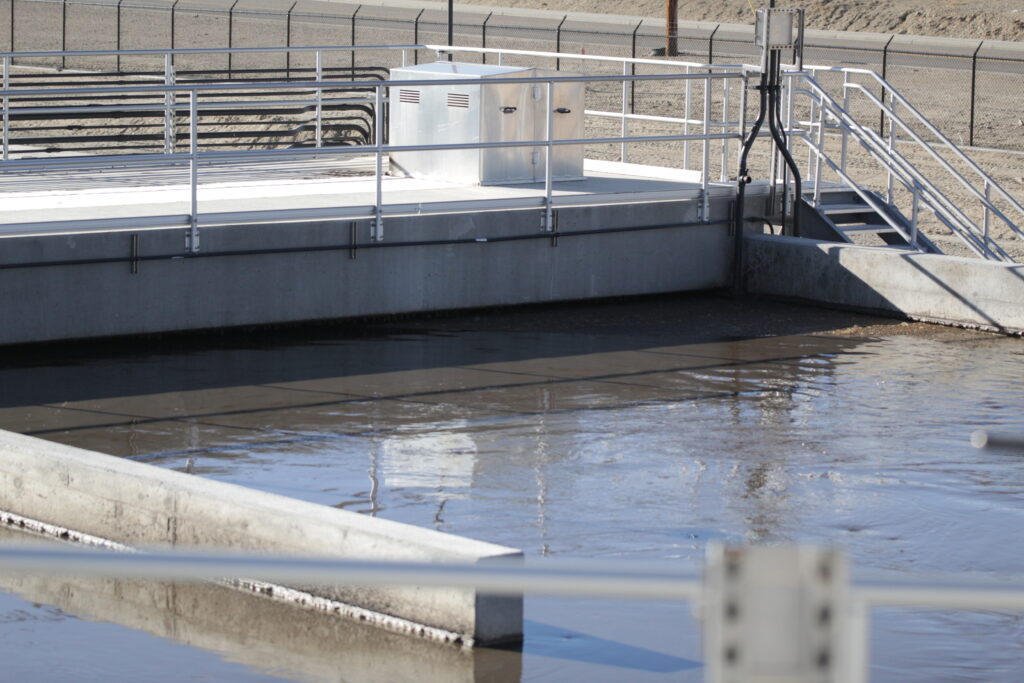
“It’s all about creating the right conditions,” Hodges said. “You turn air on or off, change mixing, and the bugs do the work for you.”
The microorganisms, commonly referred to by operators as “bugs”, were not imported from another treatment plant. Instead, they were grown naturally from bacteria already present in the wastewater system.
“We didn’t seed it with sludge from another facility,” Hodges said. “Those bugs are used to a different environment, and a lot of them would just die off. This way, we grew what works here.”
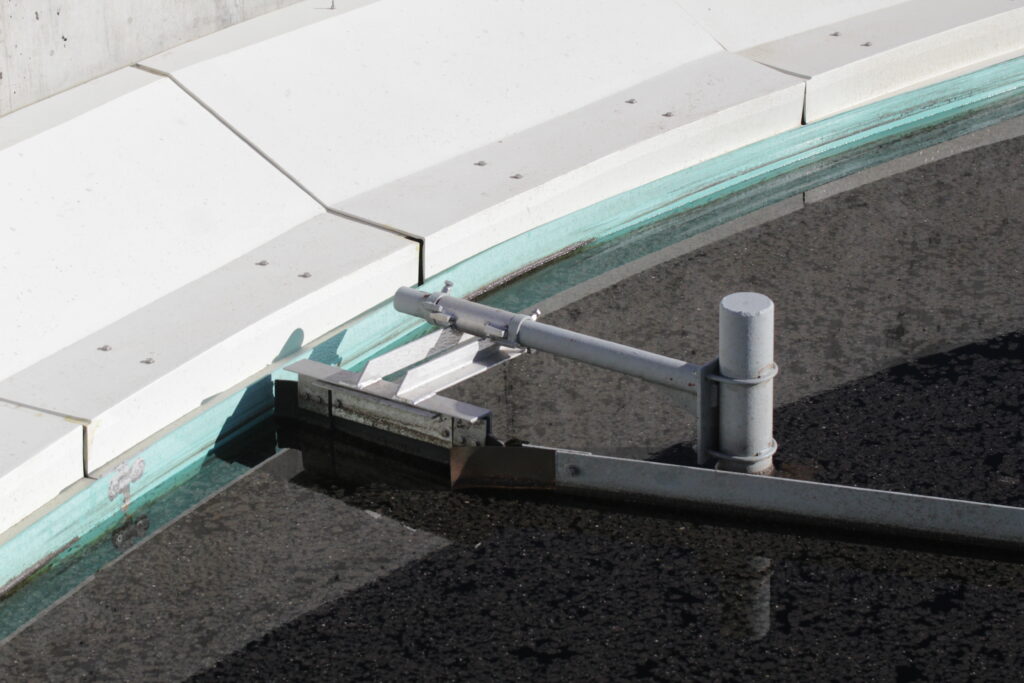
Once biological treatment is complete, the water moves to clarifiers, where the microbes settle out. Most of the settled material is returned to the front of the plant to continue treating wastewater, while excess solids are sent to aerobic digesters, then to dewatering equipment.
The plant’s dewatering equipment is not yet online, limiting how much solid material can be permanently removed. Westenskow said that will be addressed in a few weeks as the equipment is verified by the manufacturer.
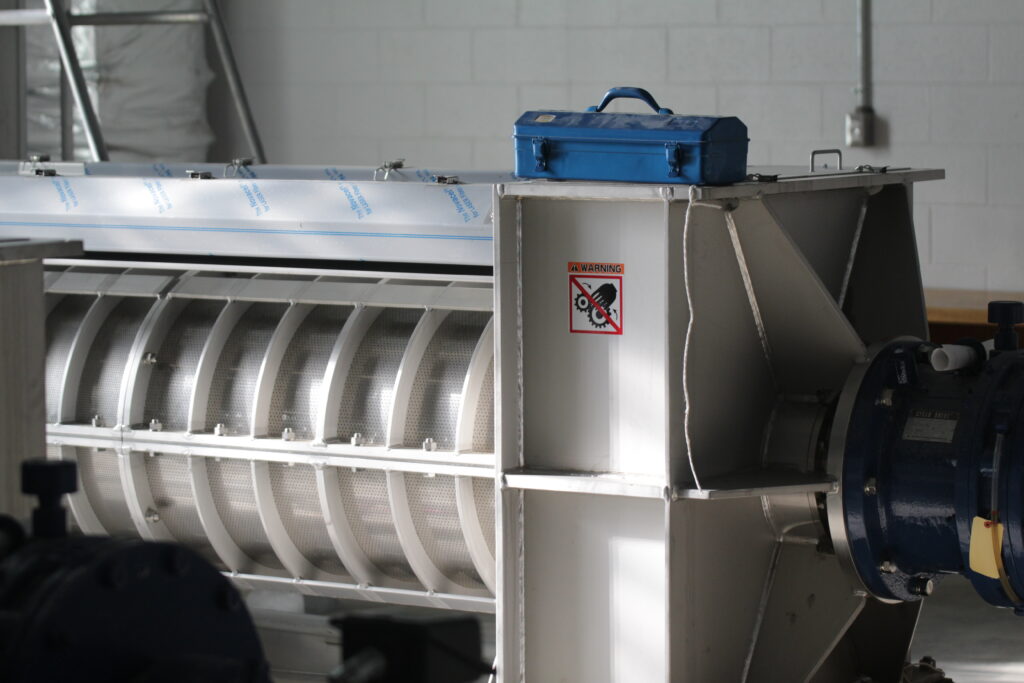
Clear water from the clarifiers and dewatering equipment is disinfected using ultraviolet light, which kills pathogens without chemical addition. Some of that disinfected water is reused within the plant, and the remainder is discharged to the river through the same outfall used by the old lagoon system.
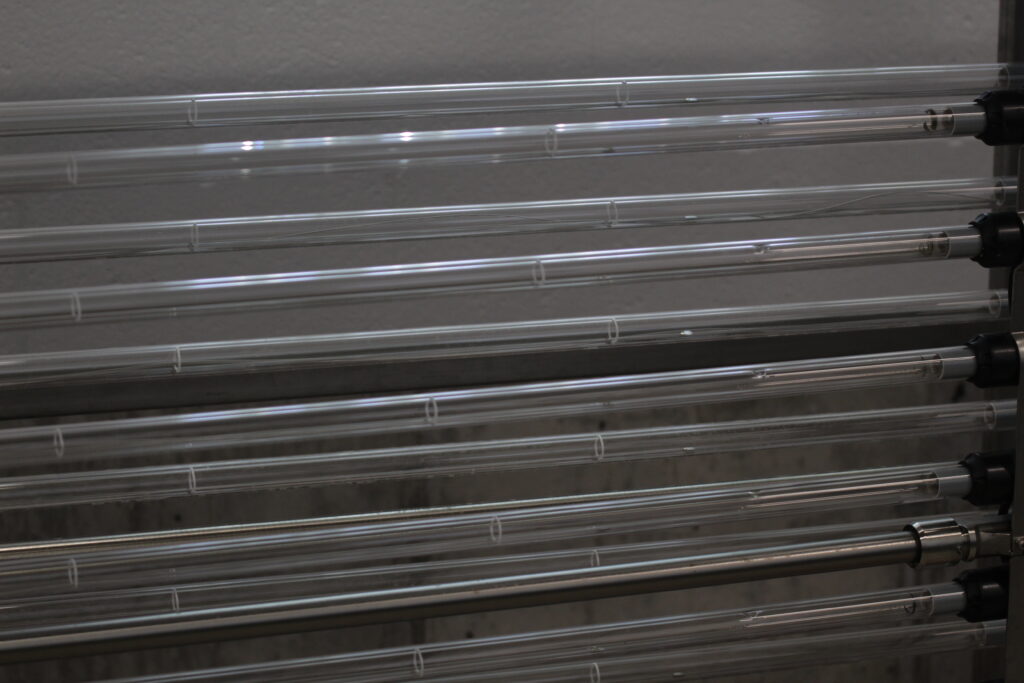
The water is constantly checked for pathogens before being discharged into the river.
Redundancy was a key design feature, Westenskow said. Nearly every major component has a backup, allowing the plant to continue operating even if equipment needs maintenance or fails.
“If we have to shut one system down, we can still run the entire plant on the other,” he said. “That flexibility also helps operators manage flows when wastewater levels are low.”
The plant is staffed by 11 employees, with plans to add another. Three operators manage the treatment facility, working rotating schedules and remaining on call after hours.
“The longer it runs, the better it gets,” Westenskow said. “This puts us in a strong position for the future.”