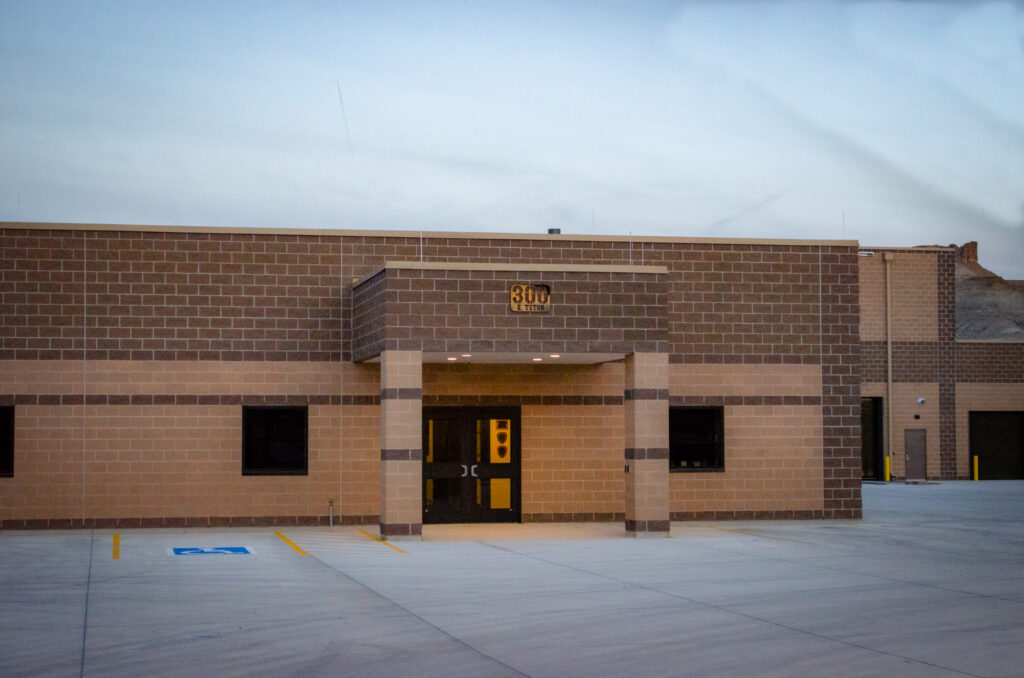

GREEN RIVER — The city’s new wastewater treatment plant will cost roughly $40 million once final invoices are settled.
Construction of the plant alone came in at roughly $52.5 million, not including design and engineering costs. With a $16 million American Rescue Plan Act (ARPA) grant applied and interest savings on the city’s loan, the projected total cost, including design, will land just under $40 million.
The City of Green River projects it will pay just under $1.4 million a year toward debt service on the loan, a figure the city said is close to what was originally projected when the plant was expected to cost $30 million.
City Administrator Reed Clevenger said the plant’s original per-user cost was projected at around $29 a month. As the cost rose over several years of rebidding, the cost to the user climbed as high as $46.85 a month when bids reached roughly $51 million. He said that after grants and lowered interest rates were factored in, the projected monthly cost per user came back in line with the original estimate.
Clevenger and Public Works Director Mark Westenskow said the plant’s final cost is expected to be confirmed by the state in November, once all consultant and contractor invoices are reconciled.
The project’s cost climbed well past its original $30 million estimate over several years, as pandemic supply chain disruptions, volatile material prices and multiple rounds of rebidding drove up construction costs. Westenskow said prices changed so quickly during that period that contractors sometimes could not guarantee a quote for more than a few hours.
“There for a while you couldn’t get a quote on a piece of pipe that would last the end of the day,” Westenskow said.
An early construction bid in 2021 came in well above the city’s budget, and other contractors’ bids from that period fell through entirely when they couldn’t hold their prices. The city went back for additional funding and rebid the project in 2023 and when three contractors submitted bids within 5% of each other, which Clevenger said was the actual market cost for the project, roughly $52.5 million.
Grants, interest and rate increases
Clevenger said Green River received the largest share of ARPA grant money allocated in Wyoming, in part because the city’s project was already underway and spending money while other communities’ projects had stalled. That positioning, Clevenger said, allowed the state to redirect unspent ARPA funds toward Green River’s plant and contributed to lowering the interest rate on the city’s loan, which dropped from 2.5% to 0.5% and eventually to 0.25%.
“That’s $10 million in savings in interest that we don’t have to pay,” Westenskow said, comparing the current loan terms to the city’s original 30-year, $30 million loan package.
The loan is split between a portion carrying 0% interest, which they estimated at roughly $3 million, and the remainder at 0.25% interest. Westenskow cautioned that the size of the 0% portion has not been finalized with the state and could change once final terms are set.
Clevenger claimed other Wyoming communities facing aging wastewater treatment plants have not had the same access to grant funding or favorable loan terms. He cited Kemmerer as an example, saying the city was facing a projected cost of around $70 million to replace its plant without comparable ARPA funding or loan rates.
The city has not yet begun making payments on the loan while final costs are settled with the state. In the meantime, revenue from water and sewer rate increases is being held in the city’s fund balance to prepare for when debt service begins.
Clevenger said the rate increases reflect a long-standing city philosophy of gradually raising rates over time so that current ratepayers aren’t covering the full cost of a future project up front.
The combined base and variable sewer rate is projected to increase by roughly 45% by 2029, the year the city’s current rate study period ends. Water rates are expected to increase by roughly 20% over the same period.
“The goal would be to get it to where we’re not seeing dramatic increases, we’re just dealing with inflationary stuff,” Westenskow said.